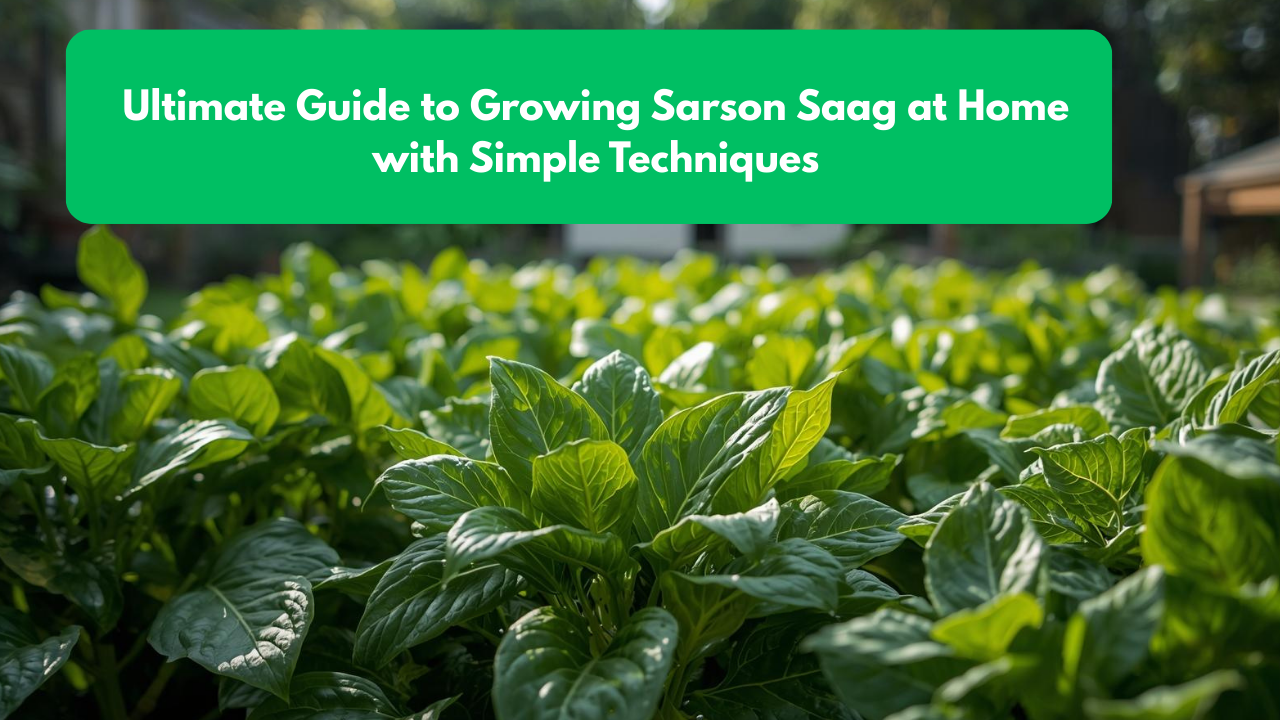
Sarson saag holds a special place in many kitchens, especially during cooler months when hearty greens are most welcome. Its bold flavor, soft texture when cooked, and nutritional value make it a staple in traditional meals and a favorite among home cooks. While it is often purchased from markets, growing sarson saag at home is far easier than many people expect and delivers fresher, cleaner greens right from your own space.
Sarson saag, also known as mustard greens, grows quickly, adapts well to home gardens, and does not require advanced gardening skills. Whether you have a backyard, terrace, balcony, or even a few pots near a sunny window, you can grow healthy sarson saag with simple techniques. This guide explains everything you need to know, from sowing seeds to harvesting abundant greens, in a clear and beginner-friendly way.
Understanding Sarson Saag and Its Growth Habit
Sarson saag comes from mustard plants grown primarily for their tender, flavorful leaves. These plants grow upright with broad green leaves and a strong root system.
They are cool-season crops that thrive in mild to cool temperatures. Growth is fast, and leaves are ready to harvest within a few weeks of sowing.
Because sarson saag focuses on leaf production rather than flowering in the early stages, it responds very well to regular harvesting and basic care.
Why Sarson Saag Is Ideal for Home Growing
Sarson saag is one of the easiest leafy greens to grow at home.

It germinates quickly, tolerates a range of soil conditions, and does not need heavy feeding. Even beginner gardeners can achieve success with minimal effort.
Another advantage is its versatility. It can be grown in garden beds, raised beds, pots, or grow bags, making it suitable for almost any living situation.
Choosing the Right Sarson Saag Seeds
Good seeds lead to strong plants.

Choose fresh mustard green seeds from a reliable source. Seeds meant for leaf production are preferable to those bred only for oilseed crops.
Check the packaging date if possible. Fresher seeds germinate faster and produce more uniform plants.
Best Time to Grow Sarson Saag at Home
Sarson saag prefers cool weather.

It grows best during autumn, winter, and early spring in most regions. Cooler temperatures produce tender leaves with better flavor.
In very hot climates, growing during cooler months or providing light shade helps prevent bolting and bitterness.
Selecting the Ideal Growing Location
Light is essential for healthy leaf growth.

Choose a location that receives at least 4–6 hours of sunlight daily. Morning sunlight is particularly beneficial.
Sarson saag tolerates partial shade, especially in warmer climates, but too little light results in slow growth and pale leaves.
Growing Sarson Saag in Garden Beds
Garden beds provide ample space for root development.

Prepare the bed by loosening the soil and removing weeds. Mix in compost to improve fertility and drainage.
Ensure the bed drains well. Waterlogged soil leads to poor growth and root problems.
Growing Sarson Saag in Pots or Containers
Sarson saag grows very well in containers.
Choose pots that are at least 8–10 inches deep. Wider containers allow more plants to grow together.
Ensure drainage holes are present. Containers without proper drainage cause water retention and weak plants.
Preparing the Best Soil for Sarson Saag
Soil quality directly affects leaf size and flavor.

Use loose, well-draining soil rich in organic matter. A mix of garden soil, compost, and a small amount of sand works well.
Avoid heavy clay soil unless amended, as compacted soil restricts root growth.
Sowing Sarson Saag Seeds Correctly
Sowing seeds properly ensures even growth.
Scatter seeds thinly across the soil surface or sow them in rows. Cover lightly with a thin layer of soil.
Water gently after sowing to avoid washing seeds away. Keep the soil consistently moist during germination.
Seeds usually sprout within 4–7 days.
Thinning Seedlings for Healthy Growth
Thinning is an important but often skipped step.
Once seedlings are a few inches tall, remove weaker plants so that remaining ones have space to grow. Proper spacing improves airflow and leaf size.
Thinned seedlings can be used as microgreens or added to salads.
Watering Sarson Saag the Right Way
Sarson saag prefers consistent moisture.
Water regularly to keep the soil evenly moist, especially during dry periods. Do not allow the soil to dry out completely.
Avoid overwatering. Standing water causes yellow leaves and root issues.
Adjusting Watering by Season
Watering needs change with temperature.
In cooler weather, reduce watering frequency. In warmer conditions, water more often but always check soil moisture first.
Observing the soil is more reliable than following a fixed schedule.
Feeding Sarson Saag for Lush Leaves
Sarson saag does not require heavy fertilization.
Compost mixed into the soil usually provides enough nutrients. If growth seems slow, a light liquid feed can be applied once or twice during the growing period.
Excess fertilizer leads to overly soft leaves and reduced flavor.
Managing Temperature and Climate Conditions
Sarson saag thrives in cool to mild temperatures.
Ideal growth occurs when temperatures remain moderate. High heat causes plants to bolt and leaves to become bitter.
Providing shade during warmer days extends the growing season.
Protecting Plants From Frost
Sarson saag tolerates light frost well.
In fact, cooler temperatures often improve leaf flavor. However, heavy frost may damage young plants.
Using simple covers during extreme cold protects the crop and extends harvest time.
Preventing Bolting in Sarson Saag
Bolting occurs when plants start flowering prematurely.
It is usually triggered by high temperatures or stress. To prevent bolting, grow during cooler months and water consistently.
Harvesting leaves regularly also delays flowering.
Harvesting Sarson Saag for Continuous Growth
Harvesting encourages new leaf production.
Begin harvesting when leaves reach a usable size. Cut outer leaves first, leaving the center intact.
This method allows the plant to continue growing and producing new leaves over several weeks.
How Often to Harvest
Regular harvesting every few days keeps plants productive.
Avoid harvesting too much at once. Removing no more than one-third of the plant at a time maintains plant health.
Consistent harvesting results in tender, flavorful leaves.
Using Sarson Saag in the Kitchen
Freshly harvested sarson saag has excellent flavor.
It is commonly cooked, sautéed, or blended with other greens. Cooking softens the leaves and balances their natural pungency.
Homegrown saag often tastes better than store-bought due to freshness and clean growing conditions.
Common Problems and Simple Solutions
Yellow leaves often indicate overwatering or poor drainage. Adjust watering and check soil structure.
Small leaves may result from overcrowding or lack of nutrients. Thin plants and add compost if needed.
Bitterness usually occurs due to heat stress or delayed harvesting.
Pest Management for Sarson Saag
Sarson saag may attract common garden pests.
Inspect leaves regularly. Washing leaves with water often removes minor pests.
Healthy plants with good airflow are less likely to suffer serious pest problems.
Growing Sarson Saag Indoors
Indoor growing is possible with enough light.
Place containers near bright windows or use grow lights. Indoor plants grow slower but remain tender and clean.
Rotate containers regularly to ensure even growth.
Growing Sarson Saag as Microgreens
Sarson saag seeds are excellent for microgreens.
Sow seeds densely and harvest within 10–14 days. Microgreens have a mild flavor and are rich in nutrients.
This method is perfect for quick harvests in small spaces.
Succession Planting for Continuous Supply
For a steady supply, sow new seeds every two weeks.
This ensures that as one batch finishes, another is ready to harvest.
Succession planting works well in both garden beds and containers.
Saving Seeds for Future Planting
Sarson plants can produce seeds if allowed to flower.
Allow a few plants to mature fully. Collect seeds once seed pods dry.
Saved seeds can be used for future planting, making your garden more self-sufficient.
Real Experiences From Home Growers
A home gardener shared that sarson saag became their easiest winter crop. “I sowed seeds once and harvested for weeks without any problems,” they said.
Another grower noted that partial shade helped prevent bitterness in warmer weather.
Observations From Regular Vegetable Growers
Experienced growers often recommend sarson saag for beginners.
They highlight its fast growth, resilience, and forgiving nature.
Many also mention that frequent harvesting improves both yield and flavor.
Nutritional Benefits of Sarson Saag
Sarson saag is rich in vitamins and minerals.
It provides dietary fiber and essential nutrients, making it a valuable addition to home-grown food.
Fresh leaves retain more nutrients than those stored for long periods.
What You Should Know Before Growing Sarson Saag at Home
Sarson saag grows quickly but prefers cool weather.
Overwatering and overcrowding are the most common mistakes.
With basic care and regular harvesting, it produces abundant greens in a short time.
Questions and Answers About Growing Sarson Saag at Home
Is sarson saag easy to grow at home?
Yes, it is very beginner-friendly.
How long does it take to harvest?
Usually within 3–4 weeks.
Can it grow in pots?
Yes, it grows well in containers.
Does it need full sun?
Partial to full sun works best.
How often should it be watered?
Keep soil consistently moist.
Can it grow indoors?
Yes, with sufficient light.
Why are my leaves bitter?
Likely due to heat stress or late harvesting.
Does it need fertilizer?
Only light feeding if needed.
Can it survive frost?
Light frost is tolerated well.
How often can it be harvested?
Every few days with proper care.
Can I grow it year-round?
Yes, with seasonal adjustments.
Are pests a major problem?
Usually minor and manageable.
Is thinning necessary?
Yes, for healthy growth.
Is sarson saag nutritious?
Yes, very nutritious.









Leave a Comment