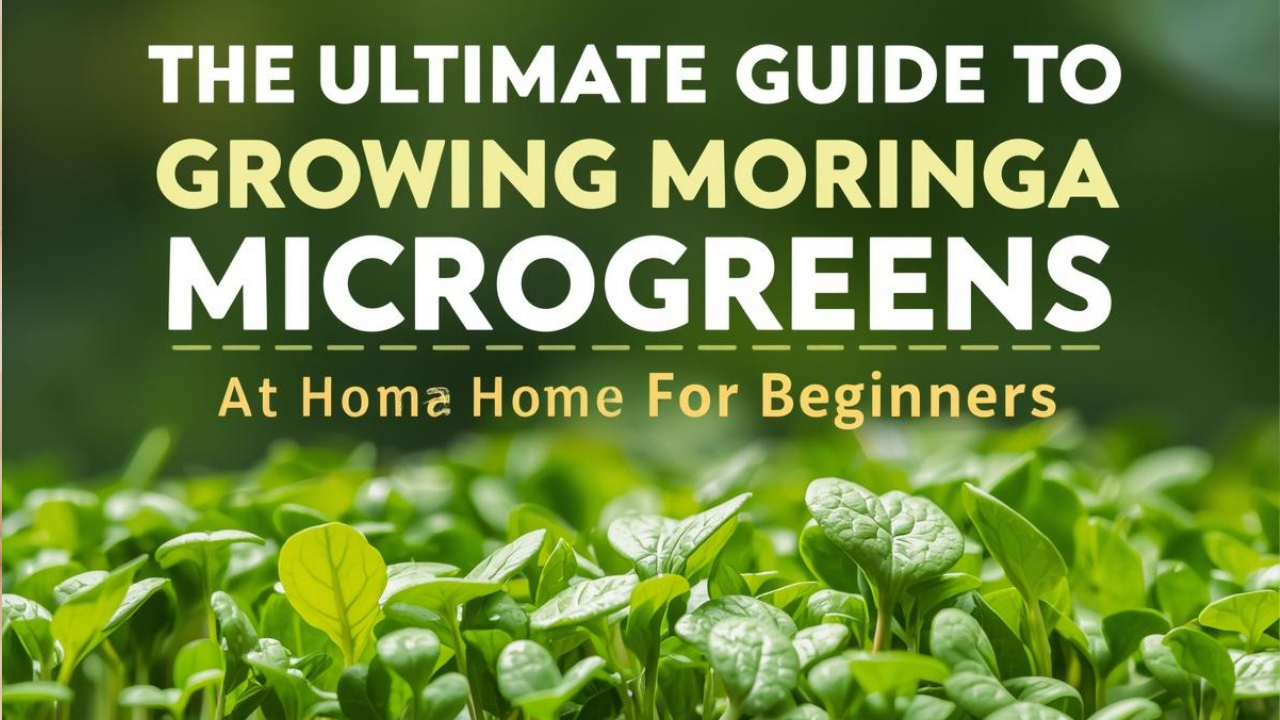
For people looking to add more nutrients to their daily meals without complicated gardening, moringa microgreens offer an ideal solution. These tiny greens may look simple, but they pack an impressive nutritional punch and grow quickly with minimal space and effort. Unlike full-grown moringa trees, which require time, warmth, and outdoor space, moringa microgreens can be grown easily at home on a kitchen counter or windowsill.
Moringa microgreens are harvested young, usually within two weeks, making them perfect for beginners who want fast results. They require basic supplies, little maintenance, and no previous gardening experience. This guide explains everything you need to know to grow moringa microgreens successfully at home, from seed selection to harvesting and daily use.
Understanding Moringa Microgreens and Why They Are Popular
Moringa microgreens are the young seedlings of the moringa plant, harvested shortly after germination. At this stage, the plant concentrates nutrients into its first leaves, making the greens highly nutritious.
Compared to mature moringa leaves, microgreens are milder in taste and easier to grow indoors. They do not require large pots, long growing cycles, or outdoor conditions.
Their fast growth and health benefits have made moringa microgreens increasingly popular among home gardeners, health-conscious families, and beginners.
Why Moringa Microgreens Are Ideal for Beginners
Beginners often struggle with plants that need long-term care or precise conditions. Moringa microgreens remove those challenges.
They grow quickly, show visible progress every day, and are forgiving of small mistakes. Even if conditions are not perfect, they usually still grow.
Because they are harvested young, there is no concern about flowering, pruning, or long-term soil health, making them a stress-free introduction to home growing.
Choosing the Right Moringa Seeds for Microgreens
Seed quality plays a major role in successful microgreen growth.

Choose moringa seeds specifically meant for growing or consumption. Avoid treated or coated seeds, as these may not be safe for edible use.
Fresh seeds with good germination rates produce stronger, more uniform microgreens. Using high-quality seeds also reduces the risk of uneven growth.
Selecting Containers for Growing Moringa Microgreens
Moringa microgreens do not need deep containers.

Shallow trays, seedling trays, or even recycled food containers work well, as long as they are clean and have drainage holes.
Containers should be at least 2–3 inches deep. Wider containers allow more seeds to be grown at once, increasing harvest quantity.
Good drainage is essential to prevent excess moisture, which can cause mold or poor growth.

Preparing the Growing Medium
Moringa microgreens can be grown in soil or soil-free mediums.
A light potting mix works well and is easy for beginners. Coconut coir is another popular option, offering good moisture retention and cleanliness.
Whichever medium you choose, it should be loose, well-draining, and free from contaminants. Avoid heavy garden soil, which compacts easily.
Moisten the growing medium slightly before planting, ensuring it is damp but not soggy.
Soaking Moringa Seeds Before Planting
Soaking moringa seeds improves germination.
Place seeds in clean water and soak them for 8–12 hours before planting. This softens the seed coat and encourages faster, more even sprouting.
After soaking, drain the water and rinse the seeds lightly. Do not let them dry out completely before sowing.
Sowing Moringa Seeds Correctly
Spread the soaked seeds evenly across the surface of the growing medium.
Moringa microgreens can be grown densely, but seeds should not overlap excessively. Overcrowding reduces airflow and increases the risk of mold.

Press seeds gently into the soil without burying them deeply. Cover lightly with a thin layer of soil or growing medium.
Mist gently to settle the seeds in place.
Creating the Right Germination Conditions
During germination, moringa seeds need warmth and moisture.
Cover the tray loosely with another tray or a breathable lid to create a dark, humid environment. This helps seeds sprout more uniformly.
Place the tray in a warm location away from direct sunlight. Ideal temperatures range between 20°C and 30°C.
Check moisture daily and mist if the surface begins to dry.
Uncovering and Providing Light
Once seeds sprout, usually within 3–5 days, remove the cover.
At this stage, light becomes essential. Place the tray near a bright window or under a grow light.
Moringa microgreens need bright light but not harsh direct sun. Insufficient light leads to leggy, weak stems.
Rotate the tray daily if using window light to ensure even growth.
Watering Moringa Microgreens Properly
Proper watering keeps microgreens healthy and prevents common issues.
Water gently using a spray bottle or bottom-watering method. The soil should remain moist but never waterlogged.
Avoid pouring water directly onto the seedlings, as this can knock them over or encourage fungal growth.
Consistency matters more than quantity when watering microgreens.
Managing Temperature and Indoor Conditions
Moringa microgreens prefer warm conditions.
Keep trays away from cold drafts, air conditioners, and heaters. Sudden temperature changes slow growth and stress seedlings.
Stable indoor temperatures support faster growth and stronger stems.
Humidity should be moderate. Excess humidity without airflow increases the risk of mold.
Ensuring Good Air Circulation
Air circulation is often overlooked but very important.
Good airflow prevents moisture buildup on leaves and soil surface. This reduces the risk of mold and damping-off disease.
Simply growing microgreens in a well-ventilated room is usually enough. Avoid enclosing trays once seedlings emerge.
Feeding Moringa Microgreens
Microgreens generally do not require fertilizer.
The nutrients stored in the seed are enough to support growth until harvest. Adding fertilizer can do more harm than good at this stage.
Focus on clean water, proper light, and suitable temperature rather than feeding.
Common Problems and How to Prevent Them
Mold is the most common problem with microgreens.
It usually occurs due to excess moisture, poor airflow, or overcrowding. Improving ventilation and reducing watering frequency usually resolves the issue.
Leggy growth indicates insufficient light. Move trays closer to a light source or increase light duration.
Yellowing leaves may result from low light or stress during early growth.
Harvesting Moringa Microgreens at the Right Time
Moringa microgreens are usually ready to harvest within 10–14 days.
Harvest when the first true leaves appear and stems are upright and green. At this stage, flavor and nutrition are at their best.
Use clean scissors to cut microgreens just above the soil surface. Avoid pulling them out, as this disturbs the growing medium.
Harvesting Techniques for Clean Results
Harvest in the morning for the freshest taste.
Cut only what you plan to use immediately, as microgreens are best consumed fresh.
If harvesting the entire tray, compost the leftover roots and soil or reuse the container after cleaning.
Storing Harvested Microgreens
Freshly harvested moringa microgreens are best eaten immediately.
If storage is needed, place them in a dry container lined with paper towel and refrigerate. Avoid washing until just before use.
Properly stored microgreens can last 2–3 days, but flavor and texture decline over time.
Using Moringa Microgreens in Daily Meals
Moringa microgreens have a mild, slightly earthy flavor.
They can be added to salads, sandwiches, smoothies, soups, and cooked dishes. Light cooking preserves nutrients while softening texture.
Adding them at the end of cooking helps maintain their nutritional value.
Growing Moringa Microgreens Continuously
For a steady supply, sow new seeds every week.
Staggered planting ensures that one tray is always ready to harvest while another is growing.
This approach works well even in small kitchens and provides continuous access to fresh greens.
Cleaning and Reusing Containers
After harvesting, clean containers thoroughly.
Wash with warm water and mild soap, then rinse and dry before reusing. Clean containers reduce disease risk in future batches.
Using fresh growing medium for each cycle ensures consistent results.
Safety and Hygiene Tips
Always wash hands before handling seeds and trays.
Use clean tools and containers to prevent contamination. Avoid using soil from outdoor gardens.
Good hygiene is essential when growing edible plants indoors.
Real Experiences From Beginner Growers
A first-time grower shared that moringa microgreens were the easiest plant they had ever grown. “I saw sprouts in just a few days, and harvesting was simple. It gave me confidence to try more greens,” they said.
Another beginner noted that switching to bottom watering completely eliminated mold problems.
Observations From Home Microgreen Growers
People who grow microgreens regularly often highlight consistency as the key to success.
They note that stable light, moderate moisture, and good airflow produce reliable results batch after batch.
Many also mention that moringa microgreens grow more vigorously in warmer rooms.
Comparing Moringa Microgreens to Other Greens
Compared to lettuce or spinach microgreens, moringa grows slightly taller and sturdier.
Its nutritional value is often higher, and its growth rate is similar when conditions are right.
This makes moringa microgreens a valuable addition to any home microgreen setup.
Long-Term Benefits of Growing Moringa Microgreens at Home
Growing moringa microgreens reduces reliance on store-bought greens.
It ensures freshness, cuts costs, and encourages healthier eating habits.
Because the process is simple and repeatable, it easily becomes part of a regular routine.
What You Should Know Before Starting
Moringa microgreens grow best in warmth and light.
They do not need fertilizer or deep containers.
With basic care and attention, even beginners can achieve excellent results.
Questions and Answers About Growing Moringa Microgreens at Home
Are moringa microgreens easy to grow?
Yes, they are beginner-friendly and fast-growing.
How long do moringa microgreens take to grow?
Usually 10–14 days.
Do moringa microgreens need sunlight?
Yes, bright indirect light is best.
Can they be grown indoors?
Yes, they are ideal for indoor growing.
Is soaking seeds necessary?
Yes, it improves germination.
Do microgreens need fertilizer?
No, seeds provide enough nutrients.
Why is mold forming on my tray?
Excess moisture or poor airflow is usually the cause.
Can moringa microgreens be cooked?
Yes, light cooking works well.
How often should they be watered?
Keep soil moist, not wet.
Can I reuse the soil?
It is better to use fresh growing medium.
Are moringa microgreens safe for daily use?
Yes, when grown hygienically.
Can children help grow them?
Yes, with basic supervision.
Do they need deep containers?
No, shallow trays work well.
How can I grow them continuously?
By sowing seeds weekly.




Leave a Comment