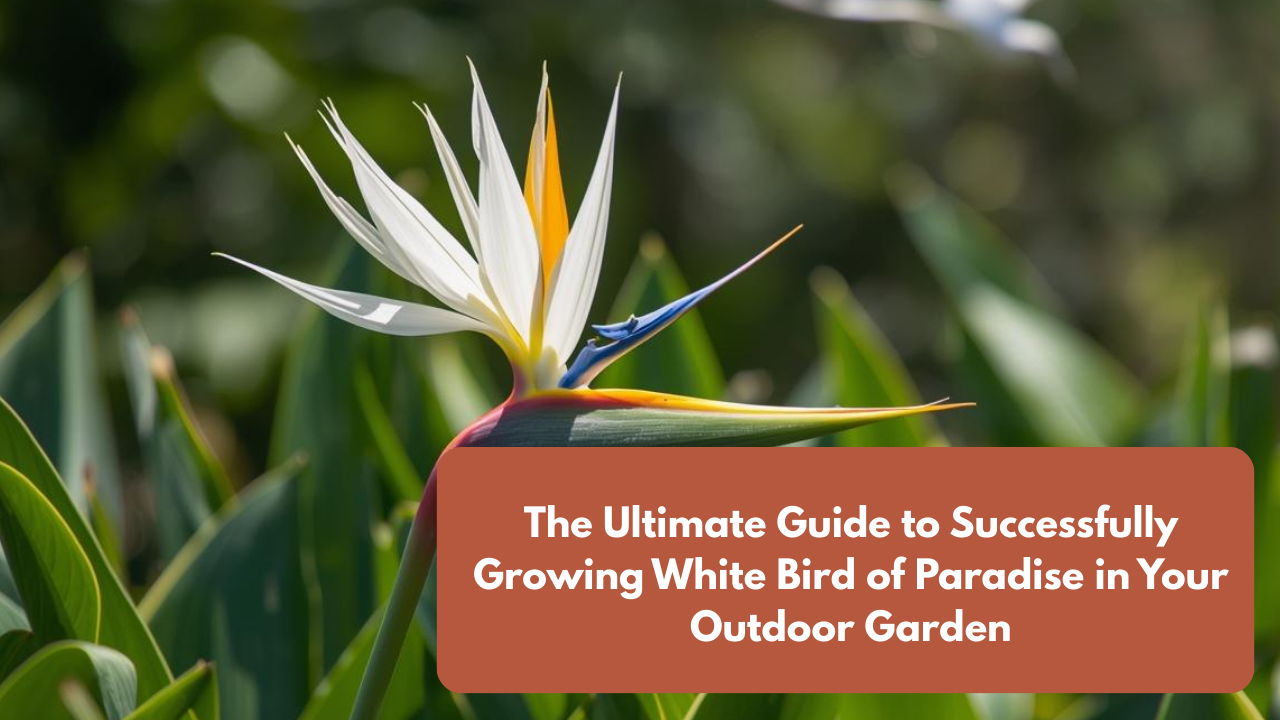
Few plants make a statement quite like the white bird of paradise. With its massive paddle-shaped leaves and striking architectural form, it brings a bold, tropical presence to any outdoor garden. Often associated with resort landscapes and warm coastal climates, this plant is surprisingly adaptable when given the right conditions. For home gardeners, growing white bird of paradise outdoors is less about constant maintenance and more about proper placement and patience.
When established correctly, white bird of paradise becomes a long-term feature in the garden, offering dramatic foliage, natural shade, and a strong focal point year after year. This guide explains everything you need to know to successfully grow white bird of paradise in your outdoor garden, from planting and care to long-term maintenance.
Understanding White Bird of Paradise and Its Growth Habit
White bird of paradise is a large, evergreen tropical plant known for its upright growth and broad leaves. Unlike its smaller orange-flowering relative, this variety is grown mainly for its foliage and size rather than frequent blooms.
Outdoors, it can grow into a tree-like form over time, reaching impressive heights and widths. Its growth is steady rather than fast, especially in the early years, as the plant focuses on establishing strong roots.
Understanding its mature size is essential before planting, as white bird of paradise is not a small ornamental plant but a long-term landscape feature.
Why White Bird of Paradise Works Well in Outdoor Gardens
Outdoor gardens provide the space and light this plant needs to thrive.
White bird of paradise loves warmth, sunlight, and open areas where its leaves can spread freely. In return, it creates a tropical atmosphere without requiring constant attention.
It is also relatively drought-tolerant once established, making it suitable for gardeners who want impact without excessive watering.
Choosing the Right Location in Your Garden
Location is the single most important factor in success.
Choose a spot that receives full sun to partial shade. Full sun encourages stronger growth and sturdier leaves, while light shade can be helpful in extremely hot climates.
Ensure the location has enough space for the plant to reach its full size. Planting too close to walls, fences, or other plants leads to overcrowding and maintenance issues later.
Understanding Sunlight Requirements Outdoors
White bird of paradise thrives in bright conditions.

Ideally, it should receive at least six hours of direct sunlight daily. Insufficient light leads to slow growth and smaller, weaker leaves.
In very hot regions, some afternoon shade helps prevent leaf scorch while still providing enough light for healthy development.
Preparing the Soil for Strong Root Development
Healthy soil supports faster establishment and long-term growth.
White bird of paradise prefers well-draining soil rich in organic matter. Heavy clay soil should be improved with compost or organic material to enhance drainage.
Before planting, loosen the soil deeply. This allows roots to spread easily and anchors the plant securely as it grows taller.
Planting White Bird of Paradise Correctly
Proper planting sets the foundation for years of healthy growth.
Dig a hole that is twice as wide as the root ball but no deeper. The top of the root ball should sit level with the surrounding soil.
Backfill gently and water thoroughly to settle the soil. Avoid burying the plant too deeply, as this can cause root and stem problems.
Spacing Considerations for Outdoor Planting
White bird of paradise needs room to grow.
Space plants at least 6–10 feet apart, depending on the desired effect. Crowding restricts airflow and increases the risk of leaf damage.
Adequate spacing also reduces competition for nutrients and water, allowing each plant to reach its full potential.
Watering Schedule for Outdoor Growth
Watering needs change as the plant matures.

During the first year, water regularly to help establish roots. Keep the soil evenly moist but not waterlogged.
Once established, white bird of paradise becomes more drought-tolerant. Deep watering during dry periods is usually sufficient to maintain healthy growth.
Mulching for Moisture and Temperature Control
Mulching is highly beneficial for outdoor plantings.
Apply a layer of organic mulch around the base of the plant, keeping it away from the stem. Mulch helps retain moisture, regulate soil temperature, and suppress weeds.
In cooler climates, mulch also provides some protection during colder months.
Feeding White Bird of Paradise Outdoors
While not a heavy feeder, white bird of paradise benefits from occasional nutrition.
Apply a balanced fertilizer during the growing season, typically in spring and summer. This supports leaf development and overall plant health.
Avoid excessive feeding, which can cause rapid but weak growth. Steady, moderate nutrition produces stronger plants.
Managing Wind and Weather Exposure
Large leaves are part of the plant’s beauty, but they can be affected by wind.
Choose a planting site that offers some protection from strong winds. Constant wind can tear leaves and affect the plant’s appearance.
In exposed areas, planting near structures or using windbreaks helps maintain healthier foliage.
Understanding Growth Rate and Expectations
White bird of paradise grows at a moderate pace.
In the first few years, growth may seem slow as the plant establishes roots. Once settled, leaf production increases noticeably.
Patience is essential. This plant rewards time and consistency rather than quick results.
Pruning and Leaf Maintenance
Pruning is minimal but important for appearance.
Remove damaged, torn, or yellowing leaves at the base to keep the plant looking clean and healthy. Always use sharp, clean tools.
Avoid cutting healthy green leaves unnecessarily, as they contribute to the plant’s energy production.
Encouraging a Clean and Upright Form
White bird of paradise naturally grows upright, but maintenance helps preserve its structure.
Regular removal of old leaves prevents overcrowding and improves airflow. This also highlights the plant’s architectural shape.
As the plant matures, it may develop a more tree-like form with a visible trunk, adding to its visual impact.
Cold Tolerance and Climate Considerations
White bird of paradise prefers warm climates.
It tolerates brief drops in temperature but does not handle frost well. In regions with occasional cold weather, planting in sheltered areas reduces damage.
Young plants are more sensitive to cold. Protecting them during cooler periods improves survival and long-term growth.
Protecting White Bird of Paradise in Cooler Weather
In cooler regions, temporary protection may be needed.
Covering the base with extra mulch helps insulate roots. During cold snaps, using frost cloth protects leaves from damage.
Container-grown plants can be moved to sheltered outdoor locations if necessary.
Growing White Bird of Paradise in Coastal Gardens
This plant performs well in coastal environments.
It tolerates salty air better than many tropical plants and benefits from consistent sunlight and warmth.
Proper soil drainage is especially important in coastal gardens where soil composition may vary.
Common Problems and How to Fix Them
Yellowing leaves often indicate overwatering or poor drainage. Adjust watering and improve soil conditions.
Torn leaves are usually caused by wind. While cosmetic, they can be trimmed to maintain appearance.
Slow growth may result from insufficient sunlight or nutrient deficiency.
Pests and Disease Management Outdoors
White bird of paradise is relatively resistant to pests.
Occasional issues may include insects that affect leaves, but serious infestations are rare in outdoor settings.
Healthy plants with good airflow and proper spacing naturally resist most problems.
Real Experiences From Home Gardeners
A homeowner shared that planting white bird of paradise transformed an empty corner of their yard into a tropical feature. “It took time, but now it’s the first thing people notice,” they said.
Another gardener noted that proper spacing made maintenance easier as the plant matured.
Observations From Outdoor Gardeners
Gardeners who grow white bird of paradise often emphasize planning ahead.
They note that giving the plant enough space from the start prevents costly relocations later.
Many also highlight its low-maintenance nature once established.
Using White Bird of Paradise in Garden Design
White bird of paradise works well as a focal plant.
It pairs beautifully with lower-growing plants that highlight its height and leaf structure. It can also be used as a natural screen or backdrop.
Its bold form fits modern, tropical, and minimalist garden designs.
Long-Term Care and Landscape Value
Once established, white bird of paradise becomes a permanent feature.
It requires minimal intervention beyond occasional watering, feeding, and pruning. Over time, it adds shade, structure, and character to the garden.
Its longevity makes it a worthwhile investment for outdoor spaces.
What You Should Know Before Planting White Bird of Paradise
This plant is not suited for small or crowded gardens.
It requires space, sunlight, and patience. In return, it offers dramatic impact and long-term beauty.
Planning placement carefully ensures years of success with minimal effort.
Questions and Answers About Growing White Bird of Paradise Outdoors
Is white bird of paradise suitable for outdoor gardens?
Yes, it thrives outdoors in warm climates.
How much sunlight does it need?
At least six hours of sunlight daily.
How big does it grow?
It can grow very large, both tall and wide.
Does it need frequent watering?
Only during establishment; less once mature.
Can it tolerate wind?
Moderate wind is fine, but protection is best.
Is it frost-tolerant?
No, it needs protection from frost.
Does it need fertilizer?
Light feeding during the growing season helps.
Can it be pruned heavily?
No, only remove damaged or old leaves.
Is it suitable for coastal gardens?
Yes, it tolerates coastal conditions well.
How long does it take to establish?
Usually one to two years.
Does it flower outdoors?
Flowers are rare and not the main feature.
Is it drought-tolerant?
Yes, once established.
Can it be grown in containers outdoors?
Yes, but large containers are needed.
Is it low-maintenance long term?
Yes, after establishment.


Leave a Comment