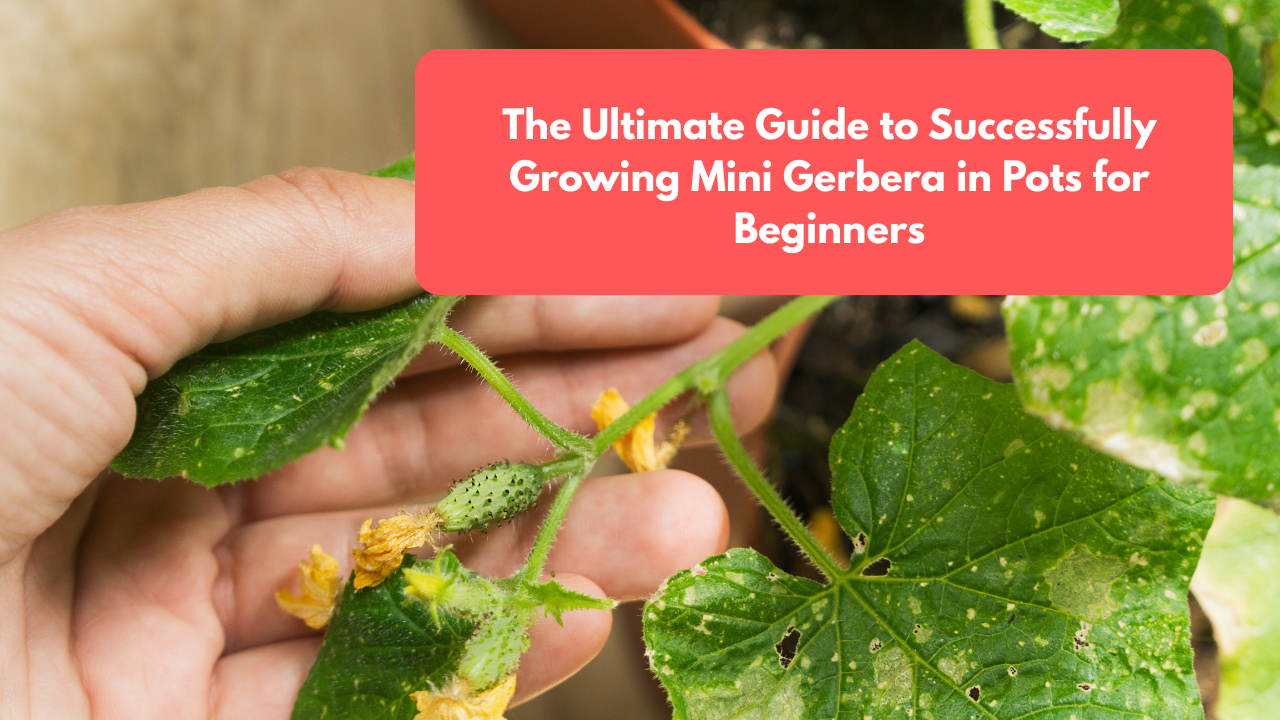
Mini gerbera flowers may be small in size, but they bring an incredible burst of color and life wherever they are grown. Their compact blooms, cheerful shades, and neat growth habit make them especially appealing to beginners who want flowering plants without the complexity of large garden beds. Grown in pots, mini gerberas are perfect for balconies, windowsills, patios, and bright indoor spaces.
Many first-time growers hesitate to try flowering plants, believing they require expert-level care. Mini gerberas prove otherwise. With the right balance of light, watering, and airflow, they reward even novice gardeners with long-lasting blooms and healthy foliage. This guide explains, in clear and practical detail, how to grow mini gerbera successfully in pots, from planting to repeat flowering.
Understanding Mini Gerbera Plants and Their Growth Habit
Mini gerberas are compact versions of standard gerbera daisies. They are bred to stay smaller, making them ideal for container growing.
Unlike foliage plants, mini gerberas invest a lot of energy into producing flowers. This means their care focuses heavily on light, drainage, and balanced nutrition.
They grow from a central crown, where leaves and flower stems emerge. Protecting this crown from excess moisture is one of the most important aspects of successful growth.
Why Mini Gerberas Are Ideal for Beginners
Mini gerberas offer a rare combination of beauty and manageability.
Their compact size makes them easy to handle, move, and reposition. They do not require frequent repotting and adapt well to small containers.
They also give clear signals when something is wrong. Wilting, yellowing leaves, or reduced blooms usually point directly to issues with water or light, making troubleshooting easier for beginners.
Choosing a Healthy Mini Gerbera Plant
Success begins with choosing a healthy plant.

Look for a mini gerbera with firm, green leaves and at least one unopened bud. Avoid plants with soft stems, yellowing foliage, or blackened areas near the base.
Check that the crown is visible and not buried under soil. A healthy crown is essential for continued flowering and long-term survival.
Selecting the Right Pot for Mini Gerberas
Pot choice plays a major role in preventing common problems.

Choose a pot that is 6–8 inches wide with drainage holes. Mini gerberas prefer snug pots rather than oversized ones, which hold excess moisture.
Clay pots are especially useful because they allow better airflow to the roots. Plastic pots also work well if watering is carefully controlled.
Preparing the Ideal Soil Mix for Pots
Mini gerberas require light, well-draining soil.

A good mix includes potting soil, sand or perlite, and a small amount of compost. This combination provides nutrients while preventing water from pooling around the roots.
Avoid heavy garden soil. Poor drainage is the leading cause of root and crown rot in potted gerberas.
Planting Mini Gerberas Correctly
When planting, ensure the crown sits just above the soil surface.

Burying the crown is a common beginner mistake and often leads to rot. Gently firm the soil around the roots without compacting it.
Water lightly after planting to help the soil settle, but do not saturate the pot.
Finding the Best Location for Potted Mini Gerberas
Light is essential for flowering.

Place the pot in a location that receives at least 5–6 hours of bright light daily. A sunny window, balcony, or patio works well.
Avoid harsh afternoon sun through glass, which can scorch leaves. Bright, indirect light or gentle morning sun produces the best results.
Managing Indoor and Outdoor Placement
Mini gerberas grow well both indoors and outdoors if conditions are right.

Indoors, place them near a bright window with good airflow. Outdoors, choose a spot protected from heavy rain and strong wind.
Moving pots between indoor and outdoor spaces is possible, but changes should be gradual to avoid stress.
Watering Mini Gerberas the Right Way
Watering is the most critical part of care.
Water only when the top inch of soil feels dry. Pour water around the soil, not directly onto the crown.
Always allow excess water to drain out completely. Standing water leads to root problems and reduced flowering.
Importance of Air Circulation
Good airflow helps prevent fungal diseases.
Whether indoors or outdoors, place mini gerberas where air can move gently around the plant. Avoid cramped corners or stagnant spaces.
Do not place them directly in front of strong fans, as this can dry the plant too quickly.
Maintaining Ideal Temperature Conditions
Mini gerberas prefer moderate temperatures.
They grow best between 18°C and 24°C. Extreme heat or cold slows growth and reduces blooming.
Keep plants away from heaters, radiators, air conditioners, and cold drafts to maintain stable conditions.
Feeding Mini Gerberas for Continuous Blooms
Because mini gerberas are flowering plants, they need regular nutrients.
Use a balanced liquid fertilizer every two to three weeks during active growth. Fertilizer supports flower formation and leaf health.
Avoid overfeeding. Excess fertilizer causes lush leaves but fewer blooms and may damage roots.
Encouraging Repeat Flowering
After a bloom fades, remove the flower stem completely by cutting it at the base.
This prevents the plant from wasting energy on seed production and encourages new flower buds.
With consistent care, mini gerberas can bloom multiple times throughout the year.
Managing Seasonal Changes
Mini gerberas may slow down during winter or cooler periods.
This is normal. Reduce watering and feeding slightly during these times while maintaining good light.
Once temperatures rise and light improves, growth and flowering usually resume.
Common Problems and How to Fix Them
Yellow leaves often indicate overwatering or poor drainage. Allow soil to dry slightly and check pot drainage.
Wilting despite moist soil may signal root rot. Improve airflow and reduce watering.
Lack of flowers is usually caused by insufficient light or inadequate feeding.
Pest Issues in Potted Mini Gerberas
Mini gerberas can occasionally attract pests such as aphids or spider mites.
Inspect leaves regularly, especially the undersides. Washing leaves with water often controls minor infestations.
Healthy plants with good airflow are less likely to suffer pest problems.
Repotting Mini Gerberas When Needed
Mini gerberas do not require frequent repotting.
Repot only when roots become crowded or soil quality declines, usually every one to two years.
Spring is the best time to repot. Use fresh soil and ensure the crown remains above soil level.
Using Mini Gerberas in Home Décor
Mini gerberas add color and charm to small spaces.
They work well on windowsills, tables, balconies, and patios. Grouping several pots together creates a vibrant display.
Choosing pot colors that contrast with flower shades enhances their visual impact.
Real Experiences From Beginner Gardeners
A beginner gardener shared that switching from daily watering to checking soil moisture transformed their mini gerbera’s health. “Once I stopped overwatering, it bloomed again within weeks,” they said.
Another grower mentioned that moving the pot closer to a bright window was the key to repeat flowering.
Observations From Home Plant Enthusiasts
People who grow mini gerberas regularly note that consistency matters more than complexity.
They emphasize light, drainage, and patience as the foundations of success.
Many beginners find mini gerberas easier to manage than larger flowering plants.
Long-Term Care for Healthy Plants
With proper care, mini gerberas can live for several years.
They may go through resting phases, but healthy foliage usually signals future blooms.
Maintaining good soil, light, and watering routines ensures long-term success.
Safety and Handling Tips
While mini gerberas are generally safe, handling plants gently prevents damage to stems and crowns.
Using clean tools for pruning reduces the risk of disease.
Keeping pots stable prevents accidental tipping, which can damage roots.
What You Should Know Before Growing Mini Gerberas
Mini gerberas are rewarding but slightly more demanding than foliage plants.
They require attention to watering and light but do not need advanced techniques.
For beginners willing to observe and adjust, they offer beautiful results and lasting satisfaction.
Questions and Answers About Growing Mini Gerbera in Pots
Are mini gerberas easy for beginners?
Yes, with proper light and watering.
Can mini gerberas grow indoors?
Yes, in bright locations with good airflow.
How often should they be watered?
When the topsoil feels dry.
Do they need direct sunlight?
Bright indirect light works best.
Why are my leaves turning yellow?
Usually due to overwatering.
How long do mini gerbera flowers last?
Several weeks per bloom.
Can they bloom more than once?
Yes, with proper care.
Do mini gerberas need fertilizer?
Yes, regular feeding supports blooms.
Should faded flowers be removed?
Yes, to encourage new blooms.
What pot size is best?
6–8 inches wide with drainage.
Can they grow outdoors?
Yes, in mild conditions.
Do they need high humidity?
No, moderate humidity is sufficient.
When should they be repotted?
Every one to two years if needed.
Are mini gerberas long-living plants?
Yes, with consistent care.





Leave a Comment