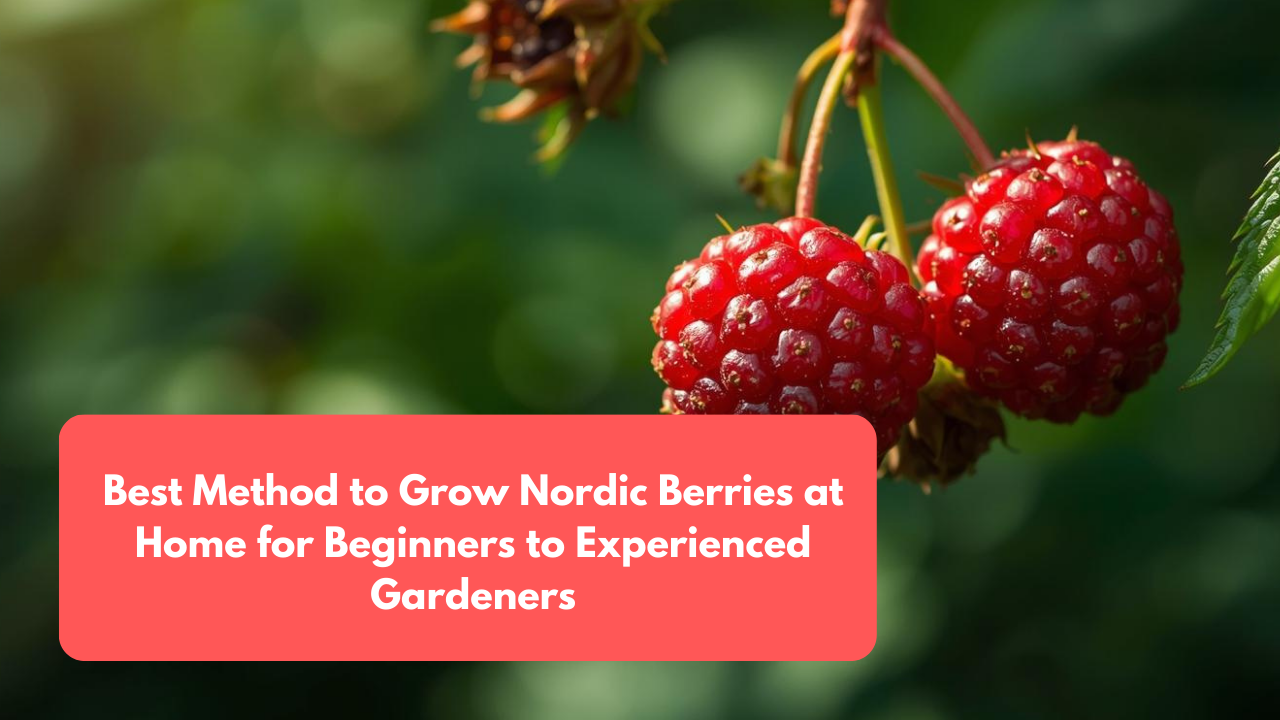
Nordic berries are often associated with pristine forests, cold climates, and long summer days near the Arctic Circle. Their deep colors, intense flavors, and nutritional value have made them increasingly popular among home gardeners around the world. While many people believe these berries can only be grown in remote northern regions, the truth is that several Nordic berry varieties adapt surprisingly well to home gardens when their basic needs are understood.
Growing Nordic berries at home is not only possible, but also deeply rewarding. These plants are generally hardy, long-lived, and resilient, making them suitable for both beginners and experienced gardeners. With the right variety selection, soil preparation, and seasonal care, you can enjoy fresh Nordic berries straight from your garden year after year.
This guide explains the best methods to grow Nordic berries at home, using simple, practical techniques that work across different experience levels.
Understanding What Nordic Berries Are
Nordic berries are a group of berry-producing plants traditionally grown in Northern Europe and cold regions. They are adapted to cooler climates, short growing seasons, and long winter dormancy.
These berries are known for their ability to tolerate frost, low temperatures, and variable weather conditions. Many also prefer slightly acidic soil and benefit from consistent moisture.
Understanding their natural environment helps recreate the conditions they need to thrive at home.

Popular Nordic Berries Suitable for Home Gardens
Not all Nordic berries are equally suited for home growing, but several adapt very well to gardens.
Lingonberries are low-growing evergreen shrubs known for their tart red berries. They thrive in acidic soil and cooler conditions.
Haskap berries are extremely cold-hardy and fruit early, making them ideal for regions with short summers.

Cloudberries are more challenging but can be grown in specific conditions with patience and proper soil preparation.
Arctic raspberries and black currants are also commonly included in Nordic berry gardens due to their hardiness and productivity.
Choosing the right berry type for your climate is the first step toward success.
Why Nordic Berries Are Ideal for Beginners
Many Nordic berries are naturally low-maintenance.
They evolved in harsh environments, which means they are often more forgiving of temperature fluctuations and less prone to disease than delicate fruit plants.
Once established, many require minimal pruning and feeding. Their resilience makes them excellent choices for gardeners who want reliable results without constant intervention.
Climate Requirements for Growing Nordic Berries
Nordic berries generally prefer cool to mild climates.
They thrive in regions with cold winters and moderate summers, but many varieties adapt to slightly warmer climates if protected from extreme heat.
Cold winters are not a problem for these plants. In fact, winter dormancy is essential for healthy growth and fruiting in many Nordic berry species.

Choosing the Right Location in Your Garden
Location plays a major role in berry productivity.
Most Nordic berries prefer full sun to partial shade. In cooler regions, full sun maximizes fruit production. In warmer climates, some afternoon shade helps prevent stress.
Good air circulation reduces disease risk and supports healthy growth. Avoid planting in low-lying areas where cold air and moisture collect.
Soil Preparation for Strong Berry Growth
Soil quality is one of the most important factors for success.
Most Nordic berries prefer well-draining, slightly acidic soil rich in organic matter. Heavy clay soil should be amended with compost to improve structure and drainage.
Testing soil pH before planting helps determine whether adjustments are needed. Adding organic matter not only improves drainage but also supports long-term soil health.
Growing Nordic Berries in Garden Beds
Garden beds provide the most natural environment for Nordic berries.
Prepare the bed by loosening soil deeply and incorporating compost. This allows roots to spread easily and access nutrients.
Spacing is important. Crowded plants compete for light, water, and nutrients, which reduces fruit quality and increases disease risk.
Growing Nordic Berries in Raised Beds
Raised beds are especially useful in areas with poor soil or drainage issues.
They allow better control over soil composition and moisture levels. Raised beds also warm up faster in spring, which can be helpful in very cold climates.
For berries that prefer acidic soil, raised beds make it easier to maintain the correct pH over time.
Growing Nordic Berries in Containers
Some Nordic berries adapt well to container growing.
Lingonberries and compact varieties of other berries can be grown successfully in pots. Containers are useful for patios, balconies, or regions with unsuitable soil.
Choose wide, insulated containers and ensure excellent drainage. Container-grown plants may require more frequent watering and winter protection.
Planting Nordic Berries Correctly
Planting depth and technique affect long-term health.
Plant berries at the same depth they were growing previously. Burying the crown too deeply can cause rot, while shallow planting exposes roots.
Water thoroughly after planting to remove air pockets and help roots settle.
Watering Nordic Berries for Consistent Growth
Nordic berries prefer consistent moisture, especially during establishment and fruit development.
Water deeply rather than frequently to encourage strong root systems. Avoid letting soil dry out completely, but do not allow it to become waterlogged.
Mulching helps retain moisture and regulate soil temperature.
Mulching for Temperature and Moisture Control
Mulching is particularly important for Nordic berries.
Organic mulch such as pine needles, wood chips, or leaf compost helps maintain soil acidity and protects roots from temperature fluctuations.
Mulch also suppresses weeds, reducing competition for nutrients and water.
Feeding Nordic Berries Naturally
Nordic berries generally do not require heavy fertilization.
Compost added annually in spring usually provides sufficient nutrients. Light feeding supports steady growth without encouraging excessive leaf production.
Avoid over-fertilizing, as this can reduce fruit quality and make plants more susceptible to pests.
Pollination Requirements for Nordic Berries
Some Nordic berries require cross-pollination.
Haskap berries, for example, need at least two compatible varieties to produce fruit. Planting different varieties close together improves pollination and yield.
Other berries are partially self-fertile but still benefit from nearby plants.
Pruning Nordic Berry Plants the Right Way
Pruning needs vary by berry type.
In general, remove dead, damaged, or crossing branches to improve airflow and light penetration. Minimal pruning is required in the early years.
As plants mature, selective pruning encourages new growth and maintains productivity.
Managing Growth During the First Few Years
The first two years focus on root establishment rather than heavy fruiting.
Small harvests are normal during this period. Resist the urge to overfeed or over-prune.
Healthy root development during early years leads to stronger plants and larger harvests later.
Protecting Nordic Berries in Winter
Nordic berries are naturally cold-hardy, but young plants benefit from extra protection.
Apply mulch before winter to insulate roots. This reduces damage from freeze-thaw cycles.
Container-grown plants may need additional insulation or placement in sheltered areas.
Managing Nordic Berries During Summer Heat
In warmer regions, summer heat can stress Nordic berries.
Provide afternoon shade if temperatures rise significantly. Consistent watering and mulching help keep roots cool.
Avoid pruning or fertilizing during extreme heat, as this increases stress.
Common Problems and How to Solve Them
Poor fruiting is often caused by lack of pollination or insufficient sunlight. Adjust planting location or add compatible varieties.
Small or sour berries may result from water stress during fruit development. Increase watering consistency.
Yellowing leaves often indicate nutrient imbalance or poor drainage.
Pest and Disease Resistance in Nordic Berries
Many Nordic berries are naturally resistant to pests and diseases.
Good spacing, airflow, and soil health prevent most problems. Birds are the most common challenge and may require netting.
Healthy plants rarely suffer serious infestations.
Harvesting Nordic Berries at Peak Flavor
Harvest timing affects flavor and quality.
Most Nordic berries improve in taste when fully ripe. Harvest gently to avoid damaging plants.
Regular harvesting encourages continued production and prevents overripe fruit from attracting pests.
Using Nordic Berries at Home
Nordic berries are versatile in the kitchen.
They are used in jams, sauces, baked goods, juices, and frozen storage. Many freeze exceptionally well without losing flavor.
Homegrown berries often have better taste and nutritional value than store-bought options.
Long-Term Care and Productivity
Nordic berry plants are long-lived.
With proper care, many produce fruit for decades. Annual mulching, light pruning, and consistent watering maintain productivity.
Over time, plants become more resilient and require less attention.
Experiences From Home Gardeners
A home gardener in a cool climate shared that Nordic berries were the most reliable fruit plants in their garden. “They survived late frosts that destroyed other crops and still produced berries,” they said.
Another grower noted that raised beds made soil management much easier and improved yields.
Observations From Experienced Berry Growers
Experienced growers emphasize patience and preparation.
They note that Nordic berries reward good soil preparation and minimal interference.
Many highlight that once established, these plants need far less care than common fruit crops.
What You Should Know Before Growing Nordic Berries
Nordic berries are not instant producers.
They require time to establish and benefit from correct soil and spacing.
In return, they offer resilience, consistent harvests, and exceptional fruit quality.
Questions and Answers About Growing Nordic Berries at Home
Can Nordic berries grow outside cold regions?
Yes, many adapt well with proper care.
Do they need winter protection?
Minimal protection is needed once established.
How long before they produce fruit?
Usually within two to three years.
Can Nordic berries grow in containers?
Yes, some varieties grow well in pots.
Do they need acidic soil?
Most prefer slightly acidic soil.
Is fertilizer necessary?
Light feeding with compost is enough.
Do they need full sun?
Full sun to partial shade works well.
Are Nordic berries beginner-friendly?
Yes, many are very easy to grow.
Do they require pruning?
Minimal pruning is needed.
Are pests a major problem?
Rarely, birds are the main concern.
Can they survive extreme cold?
Yes, they are very cold-hardy.
How long do Nordic berry plants live?
Many can produce for decades.
Is cross-pollination required?
Some varieties need it for fruiting.
Are Nordic berries worth growing at home?
Yes, they are reliable and rewarding






Leave a Comment