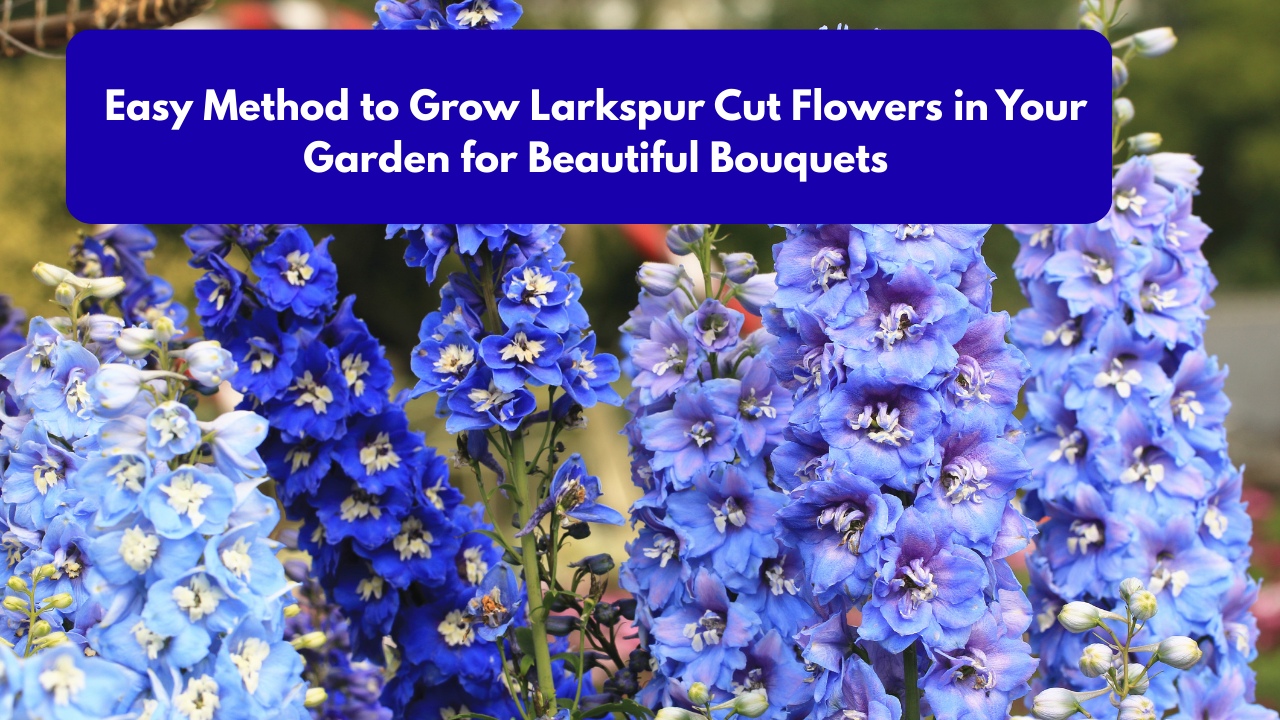
There are few flowers that bring a classic, romantic charm to bouquets quite like larkspur. With tall spikes covered in delicate blooms, larkspur flowers add height, softness, and movement to floral arrangements. They are especially loved for their pastel shades, cottage-garden feel, and ability to elevate even simple bouquets into something elegant and memorable.
Although larkspur looks refined and delicate, it is surprisingly easy to grow in home gardens. With the right timing, simple soil preparation, and basic care, gardeners of all experience levels can grow larkspur specifically for cut flowers. This guide explains an easy, practical method to grow healthy larkspur cut flowers in your garden and enjoy armfuls of blooms for stunning bouquets.
Understanding Larkspur and Why It Works Well as a Cut Flower
Larkspur is an annual flowering plant known for its tall, upright flower spikes and finely textured foliage. Each spike is packed with multiple blooms that open gradually from bottom to top.

This flowering pattern makes larkspur ideal for cutting, as stems continue to look fresh and attractive even after harvesting. When cut at the right stage, larkspur lasts well in vases and pairs beautifully with roses, peonies, and other garden flowers.
Because it grows quickly and produces abundant blooms, larkspur is a favorite among home gardeners who enjoy making their own bouquets.
Why Larkspur Is Ideal for Home Gardeners
Larkspur offers several advantages for gardeners.
It grows easily from seed, does not require expensive supplies, and adapts well to a range of garden conditions. Once established, it needs very little maintenance.
Another benefit is its cool-season preference. Larkspur grows best when temperatures are mild, making it an excellent choice for spring and early summer flower production.
Choosing the Right Larkspur Varieties for Cut Flowers
Not all larkspur varieties are equally suited for cutting.
Tall varieties are best for bouquets because they produce long, strong stems. Look for varieties known for uniform height and sturdy growth.
Color selection depends on personal preference. Soft blues, purples, whites, and pinks are especially popular for floral arrangements.
Choosing quality seeds from a reliable source ensures stronger plants and more consistent blooms.
Best Time to Grow Larkspur in the Garden
Timing is critical for successful larkspur growth.
Larkspur prefers cool conditions and does not tolerate heat well. In many regions, seeds are sown in late autumn or very early spring.
Autumn sowing allows plants to establish roots during cool weather and bloom earlier in spring. In colder regions, early spring sowing works well once the soil can be worked.

Avoid sowing during warm weather, as high temperatures reduce germination and weaken plants.
Selecting the Best Location for Larkspur
Larkspur thrives in open, sunny locations.
Choose a spot that receives at least 6 hours of sunlight daily. Full sun encourages strong stems and abundant flowering.

Good air circulation is important. Avoid cramped spaces or areas with stagnant air, as this increases the risk of disease and weak growth.
Soil Preparation for Healthy Larkspur Growth
Soil quality directly affects stem strength and flower quality.
Larkspur prefers loose, well-draining soil with moderate fertility. Heavy clay soil should be improved with compost to enhance drainage and structure.

Overly rich soil is not ideal. Excess nutrients promote leafy growth at the expense of flowers and may cause stems to flop.
Preparing the Garden Bed Properly
Proper bed preparation improves long-term success.
Remove weeds and loosen the soil before sowing seeds. Break up large clumps and smooth the surface.
Mix in compost lightly, focusing on improving soil texture rather than adding heavy nutrients.
Well-prepared soil allows roots to establish quickly and supports tall, upright growth.
Sowing Larkspur Seeds Correctly
Larkspur seeds need light to germinate.
Scatter seeds thinly over the soil surface and gently press them in without burying them deeply. A very light covering of soil is sufficient.
Water gently after sowing to avoid washing seeds away. Keep the soil evenly moist during germination.
Seeds usually germinate within 10–20 days, depending on temperature.
Thinning Seedlings for Strong Stems
Thinning is essential for producing quality cut flowers.
Once seedlings are a few inches tall, thin them so plants are spaced properly. Adequate spacing allows each plant to develop strong stems and reduces competition.
Crowded plants produce weak, thin stems that are unsuitable for bouquets.
Watering Larkspur the Right Way
Larkspur prefers consistent moisture but does not tolerate waterlogging.
Water regularly during dry periods, especially while plants are establishing and forming flower spikes.
Avoid overhead watering late in the day, as damp foliage overnight increases disease risk.
Adjusting Watering Based on Weather
Watering needs change with weather conditions.
During cool, mild weather, reduce watering frequency. In dry or windy conditions, water more often while monitoring soil moisture.
Always check the soil before watering rather than following a fixed schedule.
Supporting Tall Larkspur Plants
Tall larkspur varieties may need support.
Wind and heavy rain can cause tall stems to bend or break. Simple supports such as stakes or garden netting help keep plants upright.
Install supports early, before plants grow tall, to avoid damaging roots later.
Feeding Larkspur for Better Flowering
Larkspur does not need heavy feeding.
A light application of balanced fertilizer or compost during early growth is usually sufficient.
Avoid feeding heavily once flower spikes form, as this can reduce flower quality and cause weak stems.
Managing Temperature and Seasonal Conditions
Larkspur thrives in cool temperatures.
Once temperatures rise significantly, flowering may slow or stop. In warm regions, planting earlier helps complete flowering before heat arrives.
Providing light afternoon shade in warmer climates may extend the blooming period slightly.
Preventing Common Growing Problems
Poor germination often results from warm soil or burying seeds too deeply.
Weak stems are usually caused by overcrowding, excess fertilizer, or low light.
Disease issues are minimized by proper spacing, good airflow, and careful watering practices.
Pest and Disease Management
Larkspur is relatively resistant to pests.
Occasional insects may appear, but serious infestations are uncommon. Healthy plants grown in suitable conditions rarely suffer major problems.
Good hygiene, such as removing damaged foliage, helps prevent disease spread.
Encouraging Continuous Blooming
Larkspur blooms gradually from bottom to top on each spike.
While it does not rebloom heavily after cutting, proper harvesting encourages the remaining buds on the spike to open fully.
Succession planting, where seeds are sown in stages, provides a longer harvest window.
Harvesting Larkspur for Cut Flowers
Harvest timing is key to vase life.
Cut stems when the lower third of the flowers on the spike have opened. This stage balances beauty and longevity.
Use clean, sharp tools to cut stems early in the morning when plants are well-hydrated.
Conditioning Larkspur After Cutting
Proper conditioning extends vase life.
Remove lower leaves that would sit in water. Place stems immediately in clean water.
Allow flowers to hydrate in a cool, shaded area before arranging.
Arranging Larkspur in Bouquets
Larkspur adds vertical interest to arrangements.
Use it as a focal or supporting flower alongside rounder blooms. Its airy form creates depth and softness.
Mixing colors or pairing larkspur with greenery enhances visual appeal.
Vase Life and Maintenance
With proper care, larkspur lasts several days in a vase.
Change water daily and trim stems slightly to improve water uptake.
Keep arrangements away from heat and direct sunlight to prolong freshness.
Growing Larkspur in Different Garden Styles
Larkspur fits many garden designs.
It works beautifully in cottage gardens, cutting gardens, and mixed borders. Its upright form contrasts well with low-growing plants.
Planting in groups creates a dramatic visual effect and improves cutting efficiency.
Succession Planting for Extended Harvest
Succession planting ensures continuous blooms.
Sow seeds at two-week intervals during the appropriate season. This results in staggered flowering times.
This technique is especially useful for gardeners who want consistent flowers for bouquets.
Saving Larkspur Seeds for Future Seasons
Larkspur produces seeds readily.
Allow some plants to mature fully and form seed pods. Harvest seeds once pods dry.
Store seeds in a cool, dry place for future planting.
Real Experiences From Home Gardeners
A home gardener shared that larkspur became their favorite cut flower. “It was easy to grow, and every stem looked elegant in a vase,” they said.
Another noted that thinning seedlings made a noticeable difference in stem strength and flower quality.
Observations From Flower Garden Enthusiasts
Experienced growers often recommend larkspur for beginners interested in cut flowers.
They highlight its reliability, classic look, and minimal care requirements.
Many also appreciate its ability to complement a wide range of bouquet styles.
Long-Term Value of Growing Larkspur for Bouquets
Growing larkspur at home reduces reliance on store-bought flowers.
It provides fresh, chemical-free blooms and encourages creative floral arranging.
For gardeners who enjoy flowers indoors as much as outdoors, larkspur offers excellent value.
What You Should Know Before Growing Larkspur
Larkspur prefers cool weather and full sun.
Overcrowding and heat are the biggest challenges to avoid.
With correct timing and simple care, it produces beautiful, long-stemmed flowers suitable for cutting.
Questions and Answers About Growing Larkspur Cut Flowers
Is larkspur easy to grow at home?
Yes, it is beginner-friendly.
When should larkspur seeds be sown?
In late autumn or early spring.
Does larkspur need full sun?
Yes, for strong stems and blooms.
Can it grow in warm climates?
Yes, if planted early.
Does larkspur need fertilizer?
Only light feeding if needed.
How tall does larkspur grow?
Tall varieties can grow several feet.
Do plants need staking?
Sometimes, especially in windy areas.
When should larkspur be cut?
When lower flowers begin to open.
Does larkspur rebloom after cutting?
Limited reblooming occurs.
How long do flowers last in a vase?
Several days with proper care.
Can larkspur be grown in containers?
It is better suited to garden beds.
Does it attract pollinators?
Yes, bees are attracted to it.
Can seeds be saved?
Yes, very easily.
Is larkspur suitable for bouquets?
Yes, it is excellent for cut flowers.



Leave a Comment