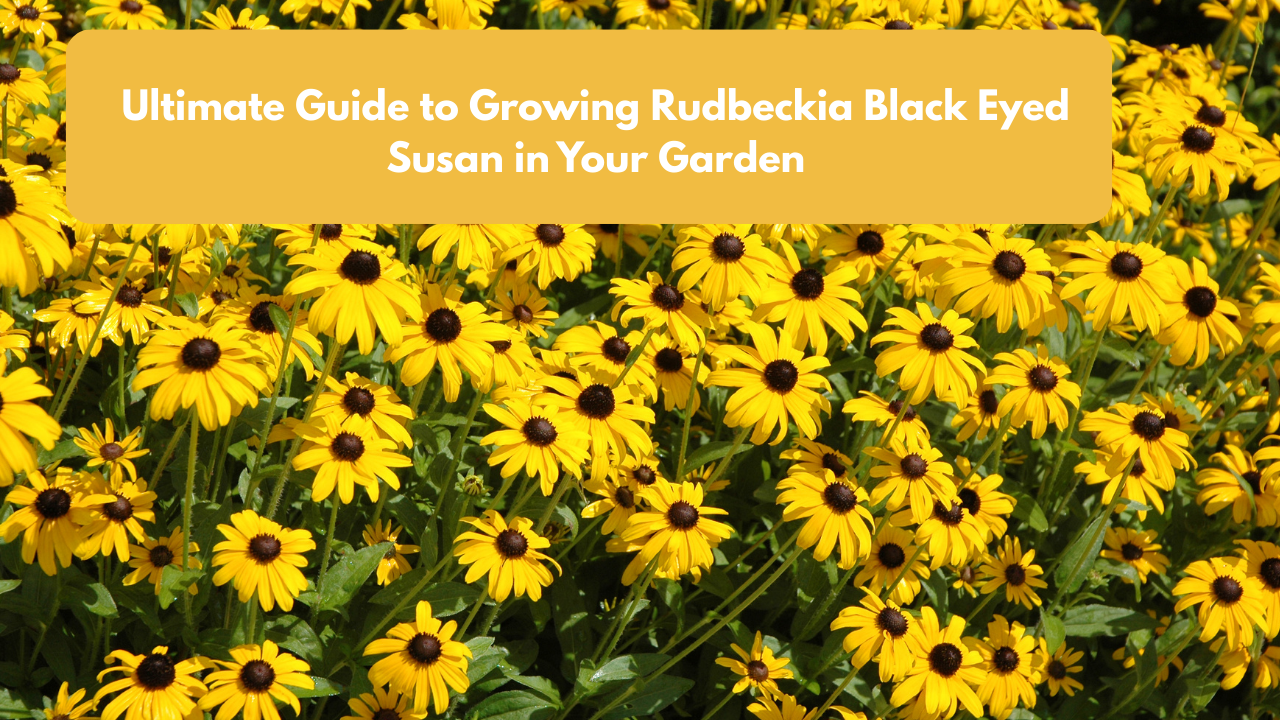
Bright yellow petals surrounding a deep, dark center make Rudbeckia, commonly known as Black Eyed Susan, one of the most recognizable and cheerful flowers in any garden. These blooms bring a natural, meadow-like charm that works beautifully in formal borders, cottage gardens, and wildflower spaces alike. Beyond their beauty, Rudbeckia plants are hardy, long-lasting, and remarkably easy to grow, making them a favorite for both beginners and experienced gardeners.
Black Eyed Susan plants are known for their reliability. Once established, they return year after year with minimal care, filling the garden with color from mid-summer well into autumn. This guide explains everything you need to know to successfully grow Rudbeckia Black Eyed Susan in your garden, from seed selection to long-term care and propagation.
Understanding Rudbeckia Black Eyed Susan
Rudbeckia is a flowering plant valued for its daisy-like blooms and strong garden performance. The plant typically produces upright stems with rough-textured green leaves and bold flowers that attract attention from a distance.
Most Rudbeckia varieties are either annuals, biennials, or short-lived perennials, depending on the type and growing conditions. Their adaptability allows them to thrive in a wide range of gardens with minimal effort.
Understanding their growth habit helps gardeners place them correctly and manage expectations for flowering and longevity.
Why Black Eyed Susan Is a Garden Favorite
Black Eyed Susan is popular for several practical reasons.
It tolerates heat, drought, and a wide range of soil types. It also blooms for a long period, providing consistent color when many other flowers fade.
Another advantage is its ability to attract beneficial insects while remaining largely resistant to pests and diseases. This balance makes it a reliable, low-maintenance choice for sustainable gardening.
Choosing the Right Rudbeckia Variety
There are several Rudbeckia varieties available, each with slightly different characteristics.
Some grow as compact plants suitable for borders and containers, while others reach taller heights ideal for the back of garden beds. Some varieties bloom in their first year, while others focus on foliage growth before flowering the following season.
Choosing the right variety depends on your garden space, climate, and desired visual effect.
Best Time to Grow Rudbeckia in the Garden
Timing plays a role in successful growth.
Rudbeckia can be grown from seeds or nursery plants. Seeds are usually sown in spring or early summer, while young plants can be transplanted in spring or autumn.
In most regions, spring planting gives plants enough time to establish before flowering. Autumn planting allows roots to settle before winter dormancy.
Selecting the Ideal Garden Location
Rudbeckia thrives in bright conditions.

Choose a location that receives at least 6 hours of sunlight daily. Full sun encourages stronger stems, better flowering, and longer bloom duration.
While Rudbeckia tolerates partial shade, too little sunlight results in fewer flowers and leggy growth.
Soil Requirements for Healthy Growth
One of the reasons Rudbeckia is easy to grow is its soil adaptability.

It grows well in average garden soil as long as drainage is adequate. Heavy clay soil should be improved with compost to prevent waterlogging.
Rich, well-draining soil produces stronger plants and more abundant blooms, but overly fertile soil can lead to excessive leaf growth at the expense of flowers.
Preparing the Garden Bed Properly
Good preparation improves long-term results.
Clear weeds and loosen the soil before planting. Mix in compost to improve soil structure and support root development.
Well-prepared soil allows plants to establish quickly and reduces competition for nutrients and water.
Growing Rudbeckia From Seeds
Growing Rudbeckia from seeds is economical and rewarding.
Sow seeds directly into prepared soil after the danger of frost has passed. Lightly press seeds into the soil without burying them deeply, as they need light to germinate.
Keep soil evenly moist until seedlings emerge, usually within 7–14 days.
Starting Seeds Indoors for Early Blooms
Indoor seed starting extends the growing season.
Sow seeds indoors several weeks before the last expected frost. Use seed trays with well-draining soil and place them in bright light.
Transplant seedlings outdoors once they are strong and weather conditions are suitable.
Planting Nursery-Grown Rudbeckia
Nursery plants offer faster results.
Plant them at the same depth they were growing in their containers. Space plants according to their mature size to ensure good airflow.
Water thoroughly after planting to help roots settle into the surrounding soil.
Watering Rudbeckia the Right Way
Watering needs change as the plant matures.
During the establishment phase, water regularly to keep soil evenly moist. Once established, Rudbeckia becomes drought-tolerant.
Avoid overwatering. Excess moisture leads to weak growth and potential root issues.
Mulching for Moisture and Weed Control
Mulching benefits Rudbeckia in multiple ways.
A layer of organic mulch helps retain soil moisture, suppress weeds, and regulate soil temperature.
Mulch also improves soil health over time as it breaks down, supporting long-term plant vigor.
Feeding Rudbeckia for Better Blooms
Rudbeckia does not require heavy feeding.
In most gardens, compost added at planting time provides sufficient nutrients. If growth appears weak, a light application of balanced fertilizer can be applied during early growth.
Avoid over-fertilizing, as this encourages leafy growth instead of flowers.
Managing Growth and Plant Shape
Rudbeckia naturally forms a tidy, upright shape.
However, pinching young plants early in the season encourages bushier growth and more flower stems.
Staking is rarely needed, but taller varieties may benefit from support in windy areas.
Deadheading for Extended Flowering
Deadheading plays an important role in bloom longevity.
Removing spent flowers prevents the plant from directing energy toward seed production. This encourages continued flowering throughout the season.
Regular deadheading keeps the plant looking neat and prolongs the display of blooms.
Allowing Seed Heads for Seasonal Interest
While deadheading extends blooms, leaving some seed heads has benefits.
Seed heads add texture to the garden and provide food for birds. They also allow self-seeding if you want natural spread.
Balancing deadheading and seed retention depends on your garden goals.
Seasonal Care Through the Year
Rudbeckia follows a simple seasonal rhythm.
Spring focuses on growth and establishment. Summer is the main flowering period. Autumn brings seed development and gradual decline.
In winter, most varieties die back to the ground. This is normal and part of the plant’s life cycle.
Pruning and Cutting Back
Cutting back improves plant health.
After flowering ends, stems can be cut back to ground level or left standing for winter interest. In early spring, remove old growth to make room for new shoots.
Clean pruning reduces disease risk and improves appearance.
Cold Tolerance and Winter Hardiness
Rudbeckia is cold-hardy in many regions.
Perennial varieties survive winter temperatures well when planted in the ground. Mulching provides extra protection in very cold areas.
Container-grown plants may need additional insulation to protect roots during winter.
Growing Rudbeckia in Containers
Rudbeckia adapts well to container growing.
Choose large pots with good drainage. Use quality potting mix and place containers in full sun.
Container-grown plants may need more frequent watering than those in garden beds.
Common Problems and How to Fix Them
Rudbeckia is generally trouble-free, but issues can occur.
Yellowing leaves often indicate overwatering or poor drainage. Improve soil conditions and adjust watering.
Powdery mildew may appear in humid conditions. Good airflow and spacing help prevent this.
Pest Resistance and Garden Health
One of Rudbeckia’s strengths is pest resistance.
Most insects avoid it, and it rarely suffers serious infestations. Healthy plants naturally resist problems when grown in suitable conditions.
This makes it an excellent choice for low-intervention gardens.
Using Rudbeckia in Garden Design
Rudbeckia is versatile in design.
It works well in mixed borders, wildflower gardens, and pollinator-friendly spaces. Its bright color pairs beautifully with purple, blue, and white flowers.
It also looks striking when planted in large drifts or clusters.
Attracting Pollinators Naturally
Rudbeckia supports pollinators.
Bees and butterflies are drawn to its open flower centers. Planting it alongside other nectar-rich flowers increases garden biodiversity.
A pollinator-friendly garden benefits overall plant health and productivity.
Propagating Rudbeckia Successfully
Rudbeckia can be propagated by seeds or division.
Division is best done in spring or early autumn. Carefully separate established clumps and replant them in prepared soil.
This rejuvenates older plants and expands your garden without additional cost.
Self-Seeding and Natural Spread
Many Rudbeckia varieties self-seed readily.
Allowing seed heads to mature results in new plants appearing the following season. Thin seedlings if necessary to prevent overcrowding.
Self-seeding creates a natural, relaxed garden look.
Real Experiences From Home Gardeners
A home gardener shared that Rudbeckia became their most reliable summer flower. “Even during dry spells, it kept blooming when everything else struggled,” they said.
Another gardener noted that deadheading made a noticeable difference in how long the flowers lasted.
Observations From Regular Flower Growers
Experienced growers often recommend Rudbeckia for beginners.
They highlight its tolerance, long bloom time, and minimal care requirements.
Many also appreciate its ability to blend into both formal and natural garden styles.
Long-Term Care and Garden Value
Once established, Rudbeckia requires very little attention.
It returns each year, fills space naturally, and provides consistent color. Over time, it becomes a stable part of the garden ecosystem.
Its durability makes it a long-term investment for any garden.
What You Should Know Before Growing Rudbeckia
Rudbeckia thrives on simplicity.
It needs sun, moderate water, and space to grow. Overcare often causes more harm than neglect.
With basic attention, it rewards gardeners with vibrant, long-lasting blooms.
Questions and Answers About Growing Rudbeckia Black Eyed Susan
Is Rudbeckia easy to grow?
Yes, it is very beginner-friendly.
Does it need full sun?
Yes, full sun produces the best blooms.
Can it grow in poor soil?
Yes, as long as drainage is good.
How long does it bloom?
From mid-summer into autumn.
Does it come back every year?
Many varieties return annually.
Should flowers be deadheaded?
Yes, to extend blooming.
Is Rudbeckia drought-tolerant?
Yes, once established.
Can it grow in containers?
Yes, with proper care.
Does it attract pollinators?
Yes, bees and butterflies love it.
Is it pest-resistant?
Yes, most pests avoid it.
When should it be planted?
Spring or autumn works best.
Does it self-seed?
Yes, many varieties do.
Can it survive winter?
Yes, most varieties are hardy.
Is Rudbeckia good for beginners?
Yes, it is an excellent starter flower.




Leave a Comment