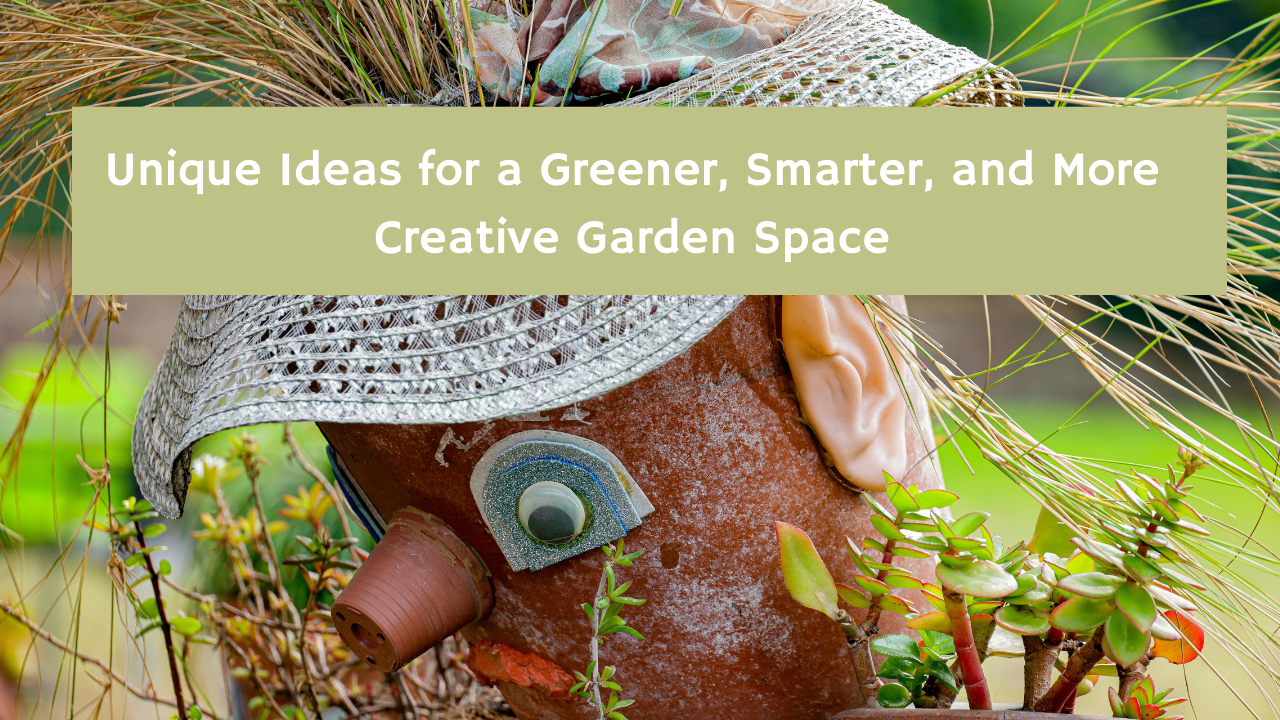
A garden is more than just a place to grow plants. It can be a peaceful retreat, a creative outlet, and a smart extension of your living space. Whether you have a large backyard, a small patio, or a narrow balcony, thoughtful ideas can transform your garden into a greener, more efficient, and visually inspiring space.
Many gardeners believe creativity requires expensive features or constant maintenance. In reality, the most effective garden upgrades are often simple, sustainable, and designed around how you actually use the space. This guide explores unique and practical ideas to help you create a garden that is greener for the environment, smarter in design, and more creative in expression.
Rethinking Your Garden as a Living System
A smart garden works as a system, not a collection of separate elements.
Plants, soil, water, and wildlife all interact. When these elements support each other, the garden becomes healthier and easier to maintain.
Viewing your garden as a living system helps guide better decisions about layout, plant choice, and maintenance routines.
Designing With Purpose Instead of Decoration Alone
Every element in a garden should serve a purpose.
Instead of adding decorations randomly, think about function. Seating areas, pathways, and planting zones should support movement, comfort, and usability.
Purpose-driven design reduces clutter and creates a more balanced, inviting space.
Creating Micro-Zones for Better Organization
Dividing your garden into zones improves both appearance and efficiency.
Create areas for relaxation, growing food, flowers, or play. Even small gardens benefit from clear zoning.
Micro-zones make the garden feel larger and easier to manage.
Using Vertical Space to Expand Creativity
Vertical gardening unlocks unused space.
Walls, fences, and railings can support climbing plants, hanging pots, or vertical planters. This is especially useful for small gardens and balconies.
Vertical elements add depth, visual interest, and more growing area without taking up ground space.
Choosing Multi-Purpose Plants
Smart gardens rely on plants that do more than one job.
Some plants provide beauty and food, while others offer shade, privacy, or soil improvement. Selecting multi-purpose plants increases value without increasing workload.
This approach reduces maintenance while maximizing benefits.
Growing Edible Plants in Decorative Ways
Food plants can be beautiful.
Herbs, leafy greens, and fruiting plants can be arranged in decorative containers or mixed with ornamental plants.
Edible landscaping blends practicality with creativity and makes the garden more useful every day.
Using Containers for Flexible Design
Containers offer complete flexibility.
They allow you to move plants to optimize sunlight, protect them from weather, or refresh the garden layout easily.
Mixing container sizes, shapes, and heights adds visual interest and creative expression.
Repurposing Materials for Sustainable Garden Features
Creativity often comes from reuse.
Old furniture, wooden crates, and unused household items can be transformed into planters, shelves, or seating.
Repurposed materials reduce waste and give the garden a unique, personal character.
Creating Smart Pathways That Guide Movement
Paths shape how people experience a garden.
Simple stepping stones, gravel paths, or natural walkways guide movement and protect plants from foot traffic.
Clear pathways make the garden more accessible and enjoyable.
Designing With Water Efficiency in Mind
Water-smart gardens save resources.
Grouping plants with similar water needs reduces waste. Mulching and soil improvement help retain moisture naturally.
Efficient watering supports healthy growth while reducing effort and cost.
Adding Shade Creatively Instead of Avoiding It
Shade can be an asset.
Using shade-loving plants, pergolas, or fabric covers creates comfortable areas during warm weather.
Shaded zones add contrast and allow more diverse plant choices.
Encouraging Wildlife for a Healthier Garden
A greener garden welcomes life.
Birds, insects, and beneficial organisms improve pollination and pest control naturally.
Simple features like water bowls, flowering plants, and shelter areas support biodiversity.
Using Natural Borders Instead of Hard Barriers
Natural borders feel softer and more organic.
Low plants, grasses, or shrubs can define spaces without rigid structures.
Natural borders blend areas together and enhance visual flow.
Playing With Color and Texture Creatively
Color and texture add personality.
Mixing leaf shapes, sizes, and colors creates interest even when flowers are not in bloom.
Foliage-focused design ensures year-round beauty.
Creating Seasonal Interest Instead of One-Time Displays
Smart gardens evolve through the seasons.
Choosing plants with different bloom times or seasonal changes keeps the garden attractive all year.
Seasonal interest reduces the need for constant replanting.
Designing Comfortable Outdoor Seating Areas
Seating transforms gardens into living spaces.
Even simple seating encourages relaxation and longer use. Comfort matters more than style alone.
Position seating where you can enjoy views, shade, or fragrance.
Integrating Lighting for Evening Use
Lighting extends garden enjoyment.
Soft lighting highlights pathways, plants, and features without overwhelming the space.
Solar lights are an energy-efficient way to add ambiance and safety.
Creating Low-Maintenance Creative Features
Creative gardens do not need constant care.
Choosing durable materials and hardy plants reduces maintenance demands.
Low-maintenance creativity allows you to enjoy the garden more and work less.
Using Height Variation for Visual Interest
Height variation adds depth.
Tall plants, medium shrubs, and low groundcovers create layers that make gardens feel fuller and more dynamic.
Layering also improves light distribution and airflow.
Incorporating Personal Touches
Personal details make gardens unique.
Handmade items, art pieces, or meaningful objects add emotional connection.
A personal garden reflects the owner’s story and creativity.
Making Small Gardens Feel Larger
Design tricks can visually expand space.
Mirrors, diagonal paths, and layered planting create the illusion of depth.
Thoughtful layout makes even the smallest garden feel open and inviting.
Blending Indoor and Outdoor Living
Connection improves usability.
Placing plants near doors, windows, or outdoor seating creates a smooth transition between spaces.
This blend makes gardens feel like a natural extension of the home.
Using Natural Sounds to Enhance Atmosphere
Sound adds another sensory layer.
Wind chimes, rustling plants, or water features create a calming environment.
Natural sounds improve relaxation and reduce urban noise.
Creating a Garden That Supports Daily Life
A smart garden fits your routine.
Consider how often you visit, what activities you enjoy, and how much time you can commit.
Designing around your lifestyle ensures long-term enjoyment.
Real Experiences From Creative Gardeners
One gardener shared that zoning their small garden completely changed how it felt. “It suddenly had purpose instead of clutter,” they said.
Another noted that vertical planting doubled usable space without extra maintenance.
Observations From Sustainable Garden Enthusiasts
Gardeners focused on sustainability emphasize simplicity.
They note that working with natural systems reduces effort and increases plant health.
Creativity often comes from limitation rather than abundance.
Long-Term Benefits of a Greener, Smarter Garden
Thoughtful gardens improve quality of life.
They reduce stress, encourage outdoor time, and support environmental health.
Over time, smart gardens require less work and offer more enjoyment.
What You Should Know Before Redesigning Your Garden Space
Transformation does not need urgency.
Start small, observe results, and adjust gradually. Avoid copying designs that do not fit your space or lifestyle.
A successful garden reflects function, creativity, and sustainability together.
Questions and Answers About Creating a Smarter and More Creative Garden
Can small gardens be creative?
Yes, small spaces encourage creativity.
Do smart gardens require technology?
No, smart design matters more than devices.
Is sustainability expensive?
No, it often saves money long-term.
Can I mix edible and decorative plants?
Yes, very effectively.
Do creative gardens need constant maintenance?
No, thoughtful design reduces work.
Is vertical gardening beginner-friendly?
Yes, very accessible.
Can containers improve garden flexibility?
Yes, greatly.
Do wildlife-friendly gardens need effort?
No, simple changes help.
Is lighting necessary?
Not required, but very useful.
Can gardens improve mental health?
Yes, significantly.
Should gardens change with seasons?
Yes, seasonal interest adds value.
Is personal style important?
Yes, it makes the garden meaningful.
Can gardens evolve over time?
Yes, gradual change works best.
Is a smarter garden worth it?
Absolutely.


Leave a Comment