Growing plants successfully does not require expensive tools, chemical-heavy products, or years of experience. In fact, the healthiest and fastest-growing gardens are often built using simple, natural techniques that work with nature instead of against it. When plants are supported in the right way, they grow stronger, resist problems better, and require far less intervention.
Many gardeners struggle because they try to fix problems after they appear rather than creating the right conditions from the start. Natural gardening focuses on prevention, balance, and consistency. This guide explains clear, beginner-friendly techniques to grow strong, healthy, and fast-growing plants using natural methods that are easy to apply in any home garden.
Understanding the Natural Way Plants Grow
Plants are designed to grow without constant human interference.
In nature, plants rely on healthy soil, balanced moisture, sunlight, and natural cycles. When these elements are present, plants regulate their own growth and defense systems.
Successful gardening means recreating these natural conditions as closely as possible rather than forcing growth through chemicals or excessive care.
Why Natural Techniques Produce Healthier Plants
Natural growing methods strengthen plants from the inside.
Instead of pushing rapid but weak growth, natural techniques encourage deep root development, strong stems, and balanced leaf production.
Healthy plants grown naturally are more resistant to pests, disease, and weather stress, which results in better long-term growth and productivity.
Starting With the Right Soil Foundation
Soil is the most important factor in plant success.
Healthy soil contains organic matter, air pockets, beneficial organisms, and proper drainage. Poor soil limits growth no matter how much water or fertilizer is applied.
Improving soil quality naturally sets the stage for strong, fast-growing plants.
Improving Soil Naturally Without Chemicals
Natural soil improvement is simple and effective.
Adding compost improves soil structure, increases nutrient availability, and supports beneficial organisms. Compost also helps soil retain moisture without becoming waterlogged.
Regular organic matter addition is more effective than one-time treatments.
Understanding the Role of Microorganisms in Soil
Healthy soil is alive.
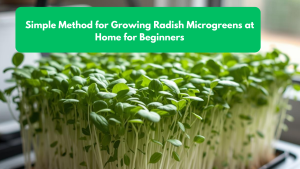
Beneficial bacteria and fungi break down organic matter and make nutrients available to plant roots. These microorganisms also protect plants from harmful pathogens.
Avoiding harsh chemicals preserves this natural soil ecosystem and supports better growth.
Choosing Plants Suited to Your Environment
Plants grow best when matched to their environment.
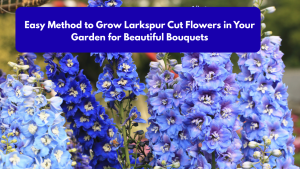
Choosing plants that suit your climate, sunlight, and soil reduces stress and increases growth speed.
Native and well-adapted plants often outperform exotic or unsuitable varieties with far less effort.
Sunlight Management for Natural Growth
Sunlight fuels plant energy.
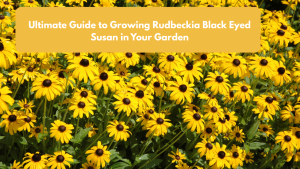
Understanding how light moves across your space helps with correct plant placement. Plants placed in suitable light conditions grow faster and stronger naturally.
Trying to compensate for low light with excessive feeding rarely works.
Watering Naturally for Strong Root Development
Natural watering techniques focus on depth rather than frequency.
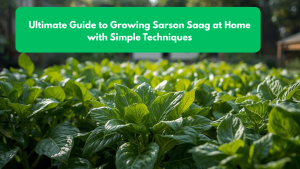
Deep watering encourages roots to grow downward, making plants more drought-tolerant and stable.
Frequent shallow watering keeps roots weak and close to the surface.
Learning to Read Soil Moisture Naturally
Plants communicate their water needs.
Checking soil moisture with your fingers provides more accurate information than schedules.
Allowing soil to dry slightly between watering supports healthy root systems.
Mulching as a Natural Growth Booster
Mulch is one of the most powerful natural tools.
It conserves moisture, regulates soil temperature, suppresses weeds, and improves soil quality over time.
Organic mulch breaks down slowly, feeding the soil naturally.
Natural Feeding Through Organic Matter
Plants need nutrients, but natural feeding works best gradually.
Compost, aged manure, and organic matter release nutrients slowly and steadily.
This avoids sudden growth spurts that weaken plants and attract pests.
Avoiding Overfeeding and Its Consequences
Overfeeding is a common mistake.
Excess nutrients cause rapid but fragile growth. Plants become dependent and more vulnerable to disease.
Natural feeding focuses on balance rather than speed.
Encouraging Strong Roots Instead of Fast Leaves
Root health determines plant success.
Strong roots support faster and healthier growth above ground. Natural gardening prioritizes root development through proper soil and watering.
Healthy roots reduce the need for constant care.
Using Companion Planting Naturally
Plants can support each other.
Companion planting improves growth, deters pests, and maximizes space. Some plants enhance soil health, while others provide shade or protection.
This natural cooperation reduces the need for chemical interventions.
Managing Weeds Naturally
Weeds compete with plants for resources.
Mulching, proper spacing, and hand removal are effective natural weed control methods.
Healthy soil and dense plant growth reduce weed pressure naturally.
Pruning and Pinching Using Natural Timing
Pruning encourages healthy structure.
Removing weak or damaged growth allows plants to focus energy where it is most effective.
Natural timing, rather than frequent cutting, produces better results.
Airflow and Space for Disease Prevention
Plants need space to breathe.
Good airflow reduces fungal problems and strengthens stems.
Crowded plants grow slower and suffer more health issues.
Understanding Seasonal Growth Cycles
Plants follow natural rhythms.
Growth accelerates in warm, bright seasons and slows during cooler periods. Respecting these cycles prevents unnecessary stress.
Trying to force growth during dormancy often causes damage.
Natural Pest Management Techniques
Healthy plants resist pests better.
Encouraging beneficial insects, maintaining clean growing conditions, and using water sprays manage most pest issues naturally.
Chemical sprays often disrupt beneficial balances.
Strengthening Plants Through Mild Stress
Plants benefit from gentle challenges.
Allowing soil to dry slightly or exposing plants gradually to outdoor conditions strengthens tissues.
Overprotecting plants leads to weakness.
Growing in Containers Using Natural Methods
Container plants benefit greatly from natural care.
Well-draining soil, proper container size, and organic feeding support strong growth.
Containers require closer observation but respond well to natural techniques.
Supporting Fast Growth Without Chemicals
Fast growth does not require synthetic products.
When soil, light, water, and spacing are correct, plants grow quickly on their own.
Natural growth is sustainable and healthier long term.
Observing Plants as Your Primary Guide
Plants show what they need.
Leaf color, growth direction, and soil condition provide constant feedback.
Observation is more valuable than rigid instructions.
Building Consistency Instead of Chasing Perfection
Consistency matters more than perfection.
Regular care routines support steady growth. Constant changes confuse plants.
Simple, repeated actions yield better results.
Real Experiences From Natural Gardeners
One gardener shared that switching to compost eliminated most plant problems. “Once I focused on soil health, everything grew better,” they said.
Another noted that mulching reduced watering needs significantly.
Observations From Long-Term Gardeners
Experienced gardeners emphasize patience.
They note that natural methods take time but produce stronger, more reliable plants.
Many say fewer interventions lead to better gardens.
Long-Term Benefits of Natural Gardening
Natural gardening improves soil over time.
Each season becomes easier as soil health increases. Plants grow stronger with less effort.
This creates sustainable, low-stress gardening.
What You Should Know Before Using Natural Techniques
Natural methods are not instant fixes.
They require patience and observation. Results improve steadily rather than suddenly.
Trusting the process leads to long-term success.
Questions and Answers About Growing Plants Naturally
Are natural techniques effective?
Yes, they produce strong plants.
Do natural methods take longer?
Initial results may be slower, but long-term growth is better.
Is compost necessary?
It is highly beneficial.
Can beginners use natural techniques?
Yes, they are beginner-friendly.
Do natural gardens grow fast?
Yes, once established.
Is fertilizer completely unnecessary?
Not always, but less is better.
Do plants resist pests naturally?
Healthy plants resist pests better.
Is mulching really important?
Yes, it improves growth significantly.
Can natural methods work indoors?
Yes, with proper light and soil.
Do natural techniques save money?
Yes, they reduce input costs.
Is patience important?
Yes, very important.
Can I mix natural and modern methods?
Yes, thoughtfully.
Do natural gardens require less work?
Yes, over time.
Is natural gardening worth it?
Absolutely.


Leave a Comment