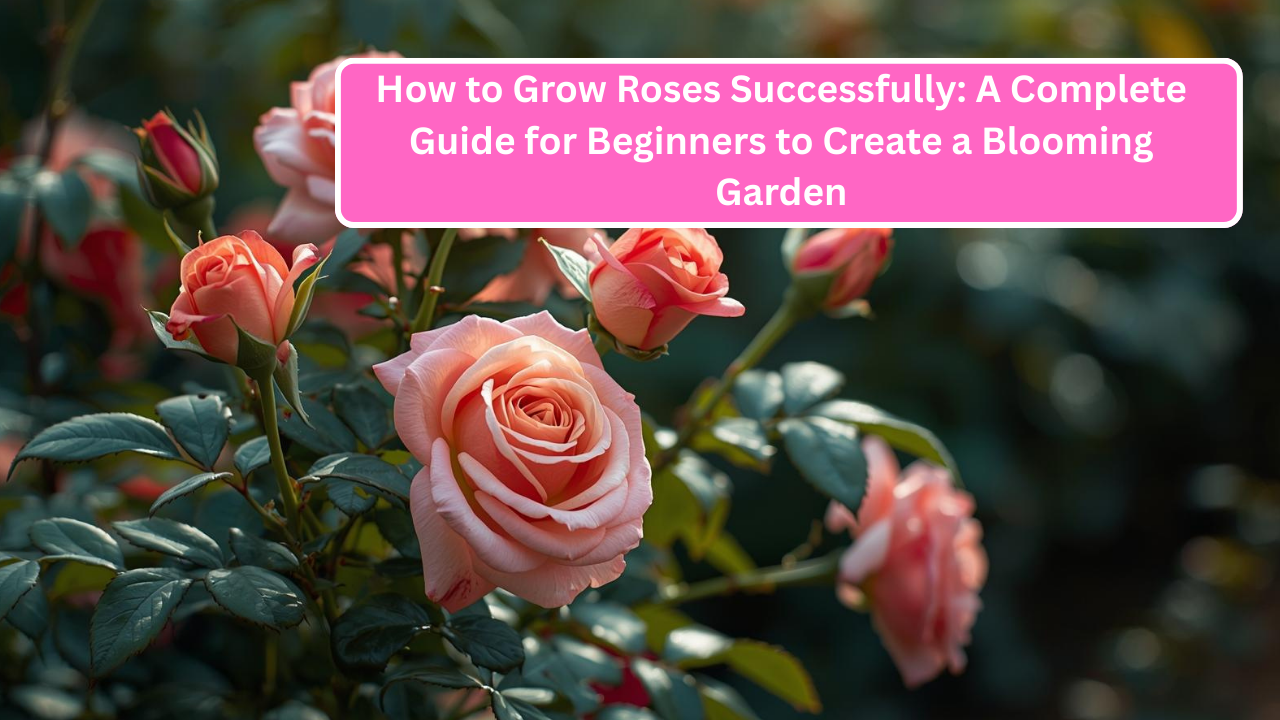
Roses have long been considered the heart of a beautiful garden. Their fragrance, variety of colors, and timeless appeal make them one of the most desired flowering plants for home gardeners. While roses are sometimes thought of as difficult to grow, the reality is that modern rose varieties are far more forgiving than their reputation suggests. With the right basic care, even beginners can enjoy healthy plants and abundant blooms.
Growing roses successfully is less about constant intervention and more about understanding their needs. When planted in the right location and given consistent care, roses reward gardeners with months of flowers year after year. This complete beginner-friendly guide walks you through every step needed to create a thriving, blooming rose garden at home.
Understanding Rose Plants and Their Growth Habit
Roses are perennial flowering shrubs with diverse growth forms.
They can grow as compact bushes, spreading ground covers, climbers, or taller shrubs depending on the variety. Most roses produce flowers on new growth, which makes proper pruning an important part of care.
Once established, rose plants can live and bloom for many years with consistent maintenance.
Why Roses Are Worth Growing in a Home Garden
Roses offer unmatched beauty and versatility.

They work well in garden beds, borders, containers, and even small spaces when chosen carefully. Their flowers can be enjoyed on the plant or cut for indoor arrangements.
Beyond aesthetics, roses are resilient plants that adapt well when their basic requirements are met.
Choosing the Right Rose Variety for Beginners
Variety selection makes a big difference.

Beginners should choose rose types known for disease resistance and repeat flowering. Compact shrub roses are often easier to manage than large climbers.
Healthy nursery plants with strong stems and fresh leaves establish more quickly and resist stress better.
Best Time to Plant Roses Successfully
Planting at the right time improves success.
Roses establish best when planted during mild weather. This allows roots to grow before facing extreme heat or cold.
Avoid planting during harsh weather conditions to reduce transplant stress.
Selecting the Ideal Location for Roses
Sunlight is essential for blooming.
Roses need several hours of direct sunlight daily to produce abundant flowers. Good airflow around plants reduces disease risk.
Choose a location with space for mature growth to prevent overcrowding.
Growing Roses in Garden Beds
Garden beds provide natural advantages.

Loose soil supports root development and moisture retention. Raised beds improve drainage and make maintenance easier.
Proper spacing between plants allows better airflow and healthier growth.
Growing Roses in Containers
Roses can thrive in containers.

Choose large pots with good drainage. Container growing allows flexibility in placement and easier control over soil quality.
This method is ideal for patios, balconies, and small gardens.
Preparing the Best Soil for Roses
Soil quality affects flowering and plant health.
Roses prefer fertile, well-draining soil rich in organic matter. Heavy or compacted soil should be improved before planting.
Healthy soil supports strong roots and continuous blooming.
Planting Roses the Right Way
Proper planting reduces long-term problems.
Plant roses at the correct depth, ensuring roots are well spread. Firm soil gently and water thoroughly after planting.
Avoid planting too deeply, as this can slow growth.
Watering Roses for Healthy Growth
Balanced watering is key.
Roses prefer deep, consistent watering rather than frequent shallow watering. This encourages strong root development.
Overwatering leads to disease, while underwatering reduces blooms.
Adjusting Watering Through the Seasons
Water needs change with weather.
During warm periods, roses may need more frequent watering. In cooler months, reduce watering as growth slows.
Always check soil moisture before watering.
Feeding Roses for Abundant Blooms
Roses benefit from regular feeding.
Moderate, balanced feeding supports flowering without promoting weak growth. Overfeeding leads to excessive leaves with fewer flowers.
Organic matter added to soil improves long-term fertility.
Importance of Pruning for Rose Health
Pruning shapes the plant and encourages blooms.
Because roses flower on new growth, pruning stimulates fresh shoots that produce flowers. It also removes weak or damaged stems.
Proper pruning improves airflow and plant strength.
When and How to Prune Roses
Pruning is best done during active growth preparation.
Remove dead, crossing, or weak stems. Shape the plant to encourage outward growth.
Clean tools reduce disease risk.
Deadheading Roses for Continuous Flowering
Deadheading encourages repeat blooms.
Removing spent flowers prevents seed formation and directs energy into producing new blooms.
Regular deadheading extends the flowering season significantly.
Managing Temperature and Climate Stress
Roses prefer moderate temperatures.
Extreme heat or cold can slow growth and reduce flowering. Mulching helps regulate soil temperature.
Protect plants during harsh weather to maintain health.
Preventing Common Rose Problems
Yellowing leaves often indicate watering issues or nutrient imbalance.
Poor flowering usually results from insufficient sunlight or lack of pruning.
Early correction prevents long-term damage.
Pest and Disease Management
Healthy roses resist problems better.
Good airflow, proper spacing, and clean growing areas reduce disease risk. Regular inspection helps catch issues early.
Avoid overhead watering to minimize leaf disease.
Growing Roses Indoors or in Protected Spaces
Some roses can be grown in protected environments.
Indoor or sheltered growing requires excellent light and airflow. Growth may be slower but still productive.
This option suits compact varieties.
Using Mulch to Support Rose Growth
Mulching improves soil conditions.
It helps retain moisture, suppress weeds, and regulate temperature. Organic mulch also improves soil over time.
Mulching reduces maintenance needs.
Training Climbing and Spreading Roses
Some roses require support.
Training vines early improves structure and flowering. Proper support prevents breakage and improves airflow.
Guided growth enhances visual appeal.
Long-Term Care for Established Rose Plants
Established roses require consistent but simple care.
Regular watering, feeding, pruning, and observation keep plants healthy. Minimal intervention is often best.
Consistency leads to long-lasting blooms.
Real Experiences From Home Gardeners
One beginner gardener shared that choosing disease-resistant roses made all the difference. “They bloomed nonstop with very little effort,” they said.
Another noted that proper pruning transformed weak plants into heavy bloomers.
Observations From Experienced Rose Growers
Experienced growers emphasize sunlight and pruning.
They note that most rose problems trace back to poor light or skipped pruning.
Healthy soil is always prioritized.
Benefits of Growing Roses at Home
Roses add beauty and fragrance.
They enhance garden design, provide cut flowers, and offer long-term enjoyment. Well-grown roses become garden highlights.
Their reward far outweighs the effort required.
What You Should Know Before Growing Roses
Roses thrive on routine care.
Sunlight, water, pruning, and feeding must be balanced. Overwatering and neglect are the most common mistakes.
With basic attention, beginners can succeed easily.
Questions and Answers About Growing Roses Successfully
Are roses difficult to grow for beginners?
No, many modern varieties are beginner-friendly.
Do roses need full sun?
Yes, sunlight is essential for blooms.
Can roses grow in pots?
Yes, many varieties grow well in containers.
How often should roses be watered?
Deeply when soil begins to dry.
Do roses need fertilizer?
Moderate feeding supports flowering.
Is pruning necessary?
Yes, pruning encourages new blooms.
How long do roses bloom?
Many varieties bloom repeatedly.
Why are my roses not flowering?
Likely low sunlight or lack of pruning.
Do roses attract pests?
Healthy roses rarely have serious issues.
Can roses survive winter?
Most varieties survive with protection.
Is deadheading required?
Yes, for continuous flowering.
Can beginners grow roses successfully?
Yes, with simple care.
Are roses long-lived plants?
Yes, they can live for decades.
Are roses worth growing at home?
Absolutely.







Leave a Comment