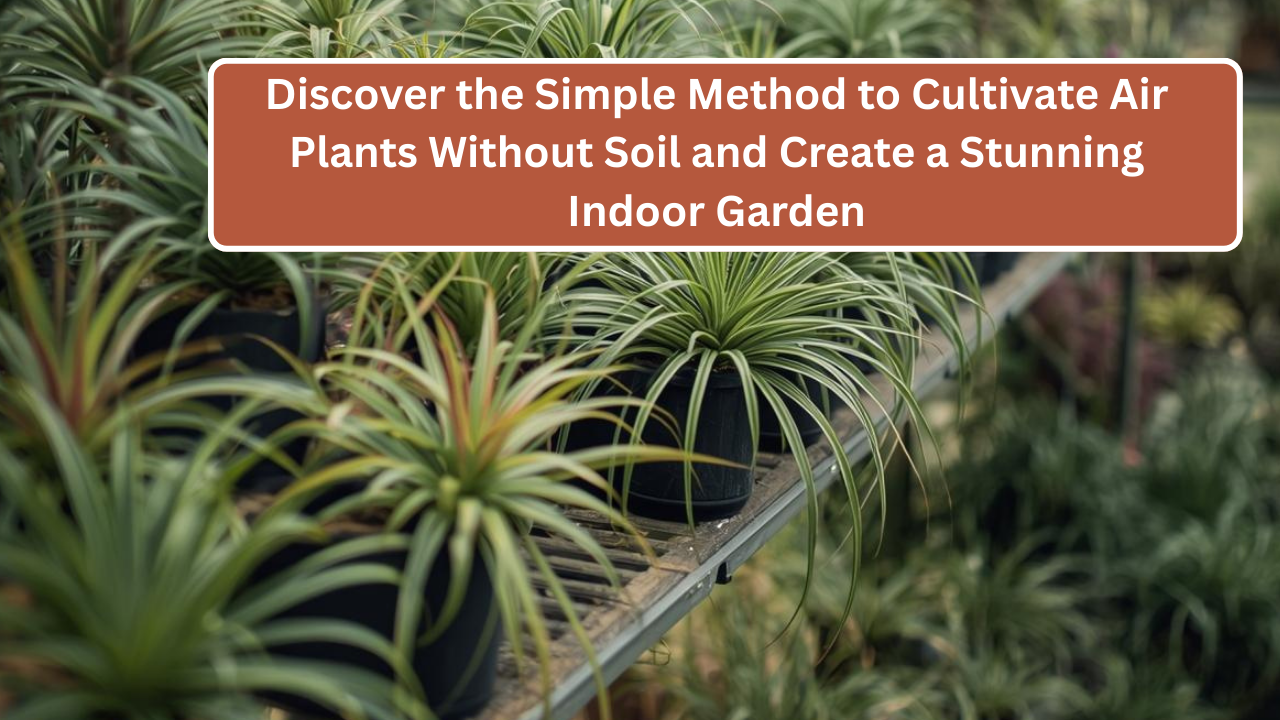
Air plants are a fascinating choice for indoor gardening because they break almost every traditional rule of plant care. They do not need soil, pots, or even regular planting containers to grow and thrive. Instead, these unique plants absorb moisture and nutrients directly from the air, making them perfect for modern homes, small spaces, and creative indoor displays.
What makes air plants truly special is their versatility. They can be displayed on shelves, mounted on walls, placed in glass containers, or arranged as living décor pieces. With a simple care routine and an understanding of their natural habits, anyone can cultivate healthy air plants and transform indoor spaces into stunning green environments. This guide explains the easiest and most reliable method to grow air plants without soil and enjoy long-lasting beauty indoors.
Understanding Air Plants and How They Grow Without Soil
Air plants belong to a group of plants that do not rely on soil for survival.
Instead of absorbing nutrients through roots in the ground, air plants use tiny structures on their leaves to take in moisture and nutrients from the surrounding air. Their roots mainly serve as anchors rather than feeding systems.
This unique growth habit allows air plants to live in places where traditional plants cannot, making them ideal for creative indoor gardening.
Why Air Plants Are Perfect for Indoor Gardens
Air plants thrive indoors with minimal space.

They do not require pots or soil, reducing mess and maintenance. Their ability to grow without traditional containers makes them perfect for apartments, offices, and minimalist interiors.
Air plants also adapt well to indoor conditions when given proper light, airflow, and moisture.
The Simple Method Behind Successful Air Plant Care
The key to growing air plants successfully is consistency.
Air plants need three basic things: proper light, regular moisture, and good air circulation. When these elements are balanced, air plants remain healthy and grow steadily without soil.
This simple method focuses on mimicking their natural environment rather than overcomplicating care.
Choosing the Right Air Plants for Beginners
Some air plants are easier to grow than others.
Beginners should choose varieties known for resilience and adaptability. Healthy plants with firm leaves and natural color establish more easily indoors.
Avoid plants that look dry, brittle, or damaged at the base.
Selecting the Best Location for Indoor Air Plants
Light placement is critical.

Air plants prefer bright, indirect light. Direct sunlight can scorch leaves, while low light slows growth.
A spot near a bright window with filtered light is ideal for most air plants.
Understanding Light Needs for Thriving Growth
Light drives energy production.

Air plants exposed to consistent, moderate light grow stronger and develop better color. Insufficient light leads to slow growth and pale leaves.
Rotate plants occasionally to ensure even light exposure on all sides.
Watering Air Plants Without Soil
Watering is the most important care step.

Since air plants do not grow in soil, they rely on external moisture. Regular watering ensures they receive enough hydration to survive and grow.
Ignoring watering leads to dehydration, while improper drying causes rot.
The Best Way to Water Air Plants
Soaking is the most effective method.

Place air plants in clean water for a short period, allowing them to absorb moisture through their leaves. After soaking, they must dry completely before being returned to their display.
Proper drying prevents moisture from trapping at the base.
How Often Air Plants Need Watering
Watering frequency depends on indoor conditions.
Warm, dry environments require more frequent watering. Cooler or more humid homes need less frequent soaking.
Observing plant appearance helps guide watering schedules.
Importance of Proper Drying After Watering
Drying is just as important as watering.
Air plants should never remain wet at the base for long periods. Proper air circulation allows excess moisture to evaporate.
Good drying prevents rot and supports long-term health.
Providing Good Air Circulation Indoors
Airflow keeps plants healthy.
Air plants need moving air to dry properly and exchange gases. Stagnant air encourages fungal problems.
Placing plants in open areas rather than enclosed spaces improves airflow.
Feeding Air Plants Naturally
Air plants benefit from light feeding.
Occasional nutrients support growth, but overfeeding causes damage. Air plants need only small amounts of nutrition.
Balanced feeding enhances leaf color and overall vitality.
Understanding Temperature Preferences of Air Plants
Air plants prefer stable indoor temperatures.
Extreme heat or cold causes stress. Moderate indoor temperatures support steady growth and prevent damage.
Avoid placing air plants near heaters or air conditioning vents.
Creative Ways to Display Air Plants Indoors
Air plants offer endless design possibilities.
They can be mounted on wood, displayed in glass containers, or arranged on decorative stands. Their soil-free nature allows creative freedom.
Choose displays that allow airflow and easy removal for watering.
Using Glass Containers Safely
Glass displays are popular but require caution.
Containers should not trap moisture. Open designs that allow airflow are better than closed terrariums.
Proper ventilation keeps plants healthy.
Mounting Air Plants on Decorative Surfaces
Mounting enhances visual appeal.
Air plants can be attached to wood, stones, or decorative frames using non-damaging methods. Ensure plants can be removed easily for watering.
Avoid glues that harm plant tissue.
Common Mistakes in Growing Air Plants
Overwatering and poor airflow are the most common mistakes.
Leaving plants wet or placing them in closed containers leads to rot. Ignoring watering causes dehydration.
Balanced care prevents most problems.
Signs of Healthy vs Unhealthy Air Plants
Healthy air plants have firm, vibrant leaves.
Curling or browning leaves indicate dehydration. Soft or blackened bases suggest rot.
Observing these signs allows early correction.
Reviving Dehydrated Air Plants
Dehydration can often be corrected.
Soaking plants properly and adjusting watering frequency helps restore moisture balance. Gradual improvement is common.
Severely damaged plants may not recover.
Managing Flowering and Growth Cycles
Air plants grow slowly.
Flowering is a natural part of their life cycle and usually occurs once. After flowering, new offsets often form at the base.
Proper care supports long-term growth and reproduction.
Propagating Air Plants Through Offsets
Air plants reproduce naturally.
Offsets develop over time and can be separated when mature. This allows gardeners to expand their collection without buying new plants.
Gentle handling prevents damage.
Long-Term Care for Indoor Air Plants
Consistency leads to success.
Regular watering, proper light, and good airflow keep air plants thriving for years. Avoid frequent changes to their environment.
Simple routines produce the best results.
Real Experiences From Indoor Gardeners
One indoor gardener shared that switching from misting to soaking transformed plant health. “They became greener and stronger within weeks,” they said.
Another noted that better airflow solved recurring rot issues.
Observations From Regular Air Plant Growers
Experienced growers emphasize drying.
They highlight that most air plant problems result from poor drying after watering. Light and airflow are equally important.
Minimal intervention produces the healthiest plants.
Benefits of Growing Air Plants Without Soil
Air plants offer unmatched convenience.
They require no soil, minimal space, and little cleanup. Their adaptability suits modern lifestyles and creative interiors.
Few plants offer such visual impact with so little effort.
What You Should Know Before Growing Air Plants
Air plants are simple but specific.
They need water, light, and air in balance. Overwatering and neglect are the most common mistakes.
With proper understanding, anyone can grow them successfully.
Questions and Answers About Growing Air Plants Without Soil
Do air plants really grow without soil?
Yes, they absorb moisture and nutrients from the air.
How often should air plants be watered?
Depending on indoor conditions, usually once a week.
Can air plants live indoors permanently?
Yes, they thrive indoors with proper light.
Do air plants need sunlight?
Yes, bright indirect light is ideal.
Is misting enough for air plants?
Soaking is more effective than misting alone.
Can air plants grow in glass containers?
Yes, if airflow is sufficient.
Why are my air plant leaves curling?
Usually due to dehydration.
Do air plants need fertilizer?
Occasional light feeding helps.
Can air plants flower indoors?
Yes, under good conditions.
How long do air plants live?
Many years with proper care.
Can air plants be propagated?
Yes, through natural offsets.
Are air plants good for beginners?
Yes, with simple care routines.
Do air plants need airflow?
Yes, very important.
Are air plants worth growing indoors?
Absolutely.






Leave a Comment