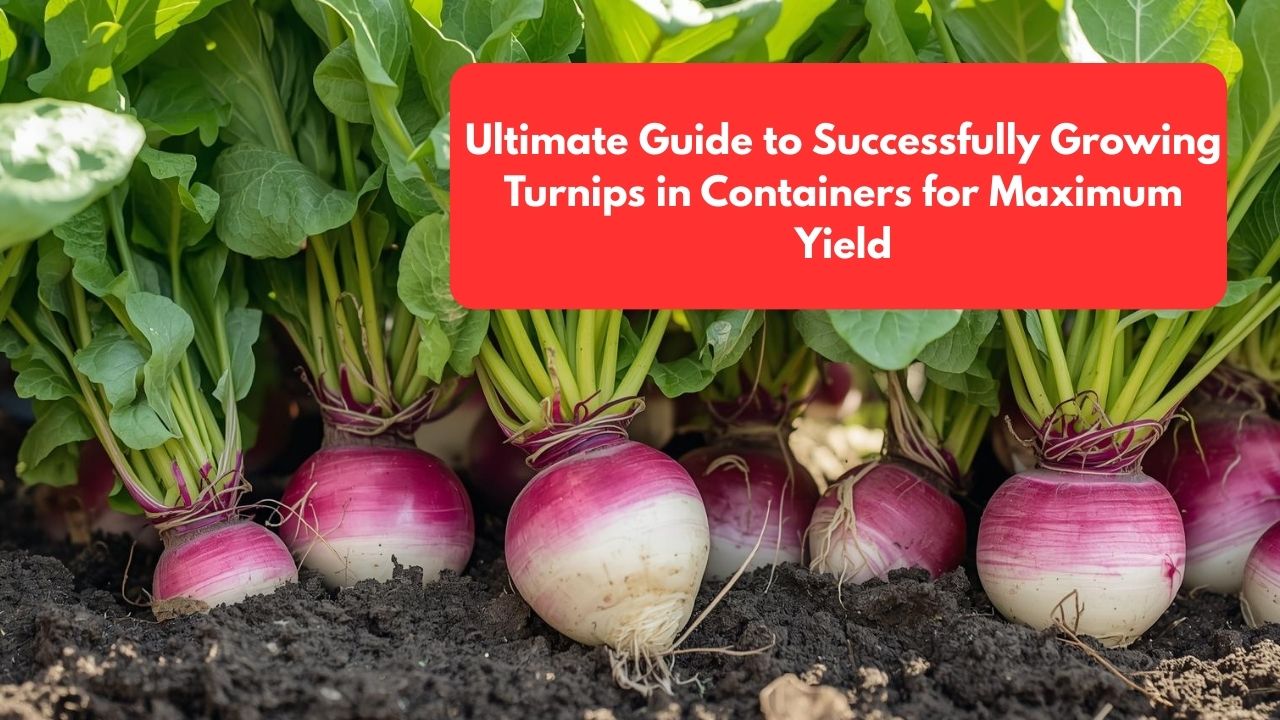
Growing your own vegetables at home brings a special kind of satisfaction, especially when the harvest is quick, reliable, and rewarding. Turnips often get overlooked in home gardening, yet they are one of the most productive and adaptable vegetables you can grow in containers. Whether you live in an apartment, have a small patio, or simply want better control over your crops, container-grown turnips can deliver excellent yields with minimal effort.
Turnips grow fast, tolerate cool weather, and offer two harvests in one plant: crisp roots and nutritious greens. When grown in containers, they benefit from loose soil, fewer pests, and consistent care. This guide explains everything you need to know to grow turnips in containers successfully and get the maximum yield possible.
Understanding Turnips and Why Containers Work Well
Turnips are cool-season root vegetables that mature quickly, often within 30 to 60 days depending on the variety. They develop underground roots while producing leafy greens above the soil.
Containers work particularly well for turnips because they allow full control over soil texture. Loose, stone-free soil is essential for well-shaped roots, and containers eliminate many of the obstacles found in garden beds.
Container growing also makes it easier to manage moisture, temperature, and spacing, all of which directly affect yield and root quality.
Choosing the Right Turnip Variety for Containers
Not all turnip varieties perform the same way in containers. Smaller, fast-maturing varieties are best suited for pot growing.
Look for varieties known for smooth, round roots and compact growth. These types develop evenly in limited space and produce tender roots and flavorful greens.
Avoid large, long-season varieties unless you have very deep containers. Compact varieties give better results and reduce the risk of woody or misshapen roots.
Selecting the Ideal Container Size and Type
Container size plays a major role in turnip yield. Shallow containers restrict root growth and lead to small or deformed turnips.
Choose containers that are at least 10–12 inches deep. Wider containers allow more plants to grow together, increasing overall yield.
Ensure the container has drainage holes. Good drainage prevents waterlogging, which causes root rot and poor growth.
Plastic, fabric, and clay containers all work well as long as drainage is adequate.
Preparing the Best Soil Mix for Turnips
Turnips need loose, well-draining soil to form smooth roots.
A good soil mix includes potting soil, compost, and a small amount of sand or perlite. This combination provides nutrients while keeping the soil airy.
Avoid heavy garden soil, which compacts easily and causes forked or stunted roots. Soil quality is one of the most important factors in achieving maximum yield.
When to Plant Turnips in Containers
Turnips grow best in cool temperatures. Planting at the right time improves both yield and flavor.
In most regions, turnips can be planted in early spring or late summer for an autumn harvest. Indoor or sheltered spaces allow some flexibility with timing.
Avoid planting during extreme heat, as high temperatures cause bitter roots and poor development.
Sowing Turnip Seeds Correctly
Turnip seeds are small but easy to handle.
Sow seeds directly into the container, as turnips do not transplant well. Plant seeds about half an inch deep and space them evenly.
After sowing, water gently to keep the soil moist. Seeds usually germinate within 5–10 days.
Thinning Seedlings for Better Root Development
Thinning is essential for good turnip yields.
Once seedlings are a few inches tall, thin them to leave about 3–4 inches between plants. Overcrowding leads to small roots and reduced yields.
The thinned seedlings can be used as baby greens, making thinning a productive step rather than waste.
Providing the Right Light for Container Turnips
Turnips need sufficient light to grow well, but they are more tolerant of partial sun than many vegetables.
Aim for at least 5–6 hours of sunlight daily. A sunny balcony, patio, or windowsill works well.
Too little light results in slow growth and small roots, while excessive heat from intense sun can stress plants in containers.
Watering Turnips for Maximum Yield
Consistent moisture is key to growing large, tender turnips.
Water regularly to keep the soil evenly moist but not soggy. Inconsistent watering causes roots to crack or become woody.
Containers dry out faster than garden beds, so check soil moisture frequently, especially in warm weather.
Feeding Turnips the Right Way
Turnips are moderate feeders and benefit from balanced nutrition.
Mix compost into the soil before planting to provide initial nutrients. During growth, a light feeding with a balanced fertilizer supports root and leaf development.
Avoid high-nitrogen fertilizers, which encourage leafy growth at the expense of root size.
Managing Temperature and Container Placement
Turnips prefer cool to mild temperatures.
Ideal growing temperatures range between 10°C and 20°C. In warmer climates, placing containers in areas with morning sun and afternoon shade helps protect plants.
During unexpected cold spells, containers can be moved to sheltered locations to prevent damage.
Growing Turnips for Both Roots and Greens
One advantage of turnips is that both roots and greens are edible.
For maximum yield, avoid harvesting too many leaves early. Leaves support root development through photosynthesis.
Once roots begin to form, light harvesting of outer leaves is possible without affecting root size.
Common Problems When Growing Turnips in Containers
Small or misshapen roots usually indicate compacted soil or overcrowding. Improving soil texture and spacing resolves this issue.
Bitter flavor often results from heat stress or uneven watering. Maintaining cool conditions and consistent moisture improves taste.
Yellowing leaves may indicate nutrient deficiency or overwatering.
Pest Management in Container-Grown Turnips
Turnips grown in containers face fewer pest issues than those in garden beds.
Occasional pests such as aphids may appear on leaves. Washing leaves with water usually controls minor infestations.
Good airflow and healthy soil reduce the likelihood of serious pest problems.
Real Experiences From Container Gardeners
A home gardener growing turnips on a small balcony shared that switching to deeper containers doubled their harvest. “Once I gave the roots more space, the turnips grew larger and tasted better,” they said.
Another grower mentioned that fall planting produced sweeter roots compared to spring planting in their climate.
Observations From Home Vegetable Growers
Many container gardeners note that turnips are one of the most reliable crops for beginners.
They highlight quick growth, minimal care needs, and flexibility in small spaces as major advantages.
Growers also observe that consistent watering makes the biggest difference in root quality.
Harvesting Turnips at the Right Time
Harvest timing directly affects yield and flavor.
Most turnips are ready when roots reach 2–3 inches in diameter. Harvesting too late leads to tough, woody roots.
Gently loosen the soil and pull the roots by hand. Avoid damaging nearby plants if harvesting selectively.
Staggered Planting for Continuous Harvest
To extend the harvest season, sow seeds every two to three weeks.
Staggered planting ensures a steady supply of fresh turnips rather than a single large harvest.
This approach works especially well in containers, where space can be reused efficiently.
Using Turnip Greens in the Kitchen
Turnip greens are nutritious and flavorful.
They can be sautéed, added to soups, or used in stir-fries. Young greens are tender and mild, while mature leaves have a stronger taste.
Harvesting greens regularly encourages balanced plant growth.
Reusing Containers After Harvest
After harvesting turnips, containers can be reused for another crop.
Remove old roots, refresh the soil with compost, and replant. Rotating crops helps maintain soil health and prevents nutrient depletion.
Turnips fit well into rotation plans with leafy greens and herbs.
Long-Term Benefits of Growing Turnips in Containers
Container-grown turnips offer predictable results and efficient use of space.
They are ideal for urban gardeners and anyone seeking fast-growing vegetables with minimal effort.
With experience, gardeners can fine-tune soil mixes, watering schedules, and planting times for even better yields.
What You Should Know Before Growing Turnips in Containers
Turnips are forgiving but respond strongly to good soil, spacing, and moisture.
They are best grown as a cool-season crop and do not tolerate extreme heat.
With the right setup, even small containers can produce impressive harvests.
Questions and Answers About Growing Turnips in Containers
Can turnips grow well in containers?
Yes, containers are ideal for turnips.
How deep should the container be?
At least 10–12 inches deep.
Do turnips need full sun?
They prefer partial to full sun.
How long do turnips take to grow?
Usually 30–60 days.
Can I grow turnips indoors?
Yes, with sufficient light.
Why are my turnips small?
Overcrowding or compacted soil is often the cause.
How often should I water container turnips?
Keep soil consistently moist.
Do turnips need fertilizer?
Light feeding supports better yields.
Can I harvest turnip greens early?
Yes, but avoid removing too many.
Are turnips suitable for beginners?
Yes, they are very beginner-friendly.
What temperature is best for turnips?
Cool to mild temperatures.
Can I grow turnips year-round?
Yes, in cool climates or protected spaces.
Do turnips suffer from many pests?
Few pests affect container-grown turnips.
When should I harvest turnips?
When roots reach 2–3 inches wide.


Leave a Comment